Rhythmic Dance Study for Trombone: Etude #3 is a light, melodic composition designed to improve a student’s rhythmic accuracy, articulation control, and dynamic awareness.
The study emphasizes maintaining a steady pulse while navigating frequent articulations and dynamic changes. Practicing thoughtfully builds both musical confidence and technical control.
Musical Overview
Before starting, it is helpful to understand the main musical elements:
-
Key Signature: E♭ Major (three flats)
-
Time Signature: 2/4
-
Style: Light, dance-like, melodic
-
Form: Three distinct sections
-
Primary Challenges:
-
Articulation accuracy
-
Frequent dynamic changes
-
Maintaining a steady tempo
-
This etude is a very good study for developing trombonists while providing meaningful sightreading material for advanced students.
Understanding the Dance Style in 2/4 Time
Because the etude is in 2/4 time, the student must feel the strong beat on beat one and the lighter beat on beat two. This gives the music its dance-like character. The acception to this occurs on certain measures where the weight shifts to the second beat with an accent.
Be careful not to rush during active articulations. It is important to listen to the pulse. A steady tempo helps preserve the light, playful character of the dance.
Playing in the Key of E♭ Major
E♭ Major is familiar to most trombonists, but careful attention to slide accuracy and intonation is essential. This is particularly vital during faster passages.
Students should focus on consistent tone across registers. Smooth slide transitions and steady air support are essential when articulations change rapidly.
Articulation: The Main Technical Focus
A key goal of this etude is precise execution of all articulations, which directly shapes the dance character.
Staccato
Staccato notes should be short, light, and clearly separated. Clean tonguing and steady air ensure clarity without harshness.
Accents
Accents emphasize strong beats. Use air support rather than excessive tongue pressure to maintain full, musical tone.
Slurs
Slurred passages should be smooth and connected, keeping a steady air stream to avoid uneven tone or pitch.
By balancing staccatos, accents, and slurs, the trombonist brings the dance to life.
Observing Dynamic Changes
This etude also includes frequent dynamic contrasts, which require careful attention. These dynamics add shape and expression, making the etude more musical.
Students should avoid abrupt volume shifts. Instead, shape dynamics gradually using air support. Softer passages should remain clear and full, while louder passages remain controlled.
When articulations and dynamics are combined effectively, the etude becomes both precise and expressive.
Tempo and Metronome Practice
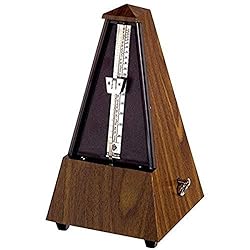
Maintaining a steady pulse is essential. Practicing with a metronome is strongly recommended.
Recommended Practice Tempos
-
Begin at ♩ = 96
-
Increase gradually in small increments
-
Target performance tempo of ♩ = 126
Avoid changing tempo when dynamics or articulations shift. A consistent pulse ensures both technical and musical success.
Section-by-Section Practice Guide
Section One: Establishing Style
Focus on tempo, clear articulation, and accurate dynamics. This section sets the character for the entire etude.
Section Two: Contrast and Development
Dynamic contrasts become more noticeable here. Students should maintain rhythmic stability while shaping phrases musically.
Section Three: Return and Conclusion
Reinforce earlier material. Maintain tempo, articulation, and dynamics, and finish with clean phrase endings.
Effective Practice Strategies
To improve efficiently:
-
Practice slowly with a metronome
-
Isolate challenging articulations or dynamic passages
-
Count subdivisions aloud if needed
-
Record practice sessions to check clarity and musicality
Focused, deliberate practice leads to the best results.
Performance Tips
When performing:
-
Keep the dance character light and playful
-
Think in musical phrases, not individual notes
-
Let articulations and dynamics shape the music naturally
-
Stay relaxed while maintaining precision
Confidence comes from preparation and careful attention to detail.
Educational Value
Rhythmic Dance Study for Trombone: Etude #3 develops key skills:
-
Rhythmic discipline
-
Articulation control
-
Dynamic awareness
-
Musical phrasing
These skills transfer to band, solo, and ensemble playing, making the etude both practical and enjoyable.
Conclusion
In summary, Rhythmic Dance Study for Trombone: Etude #3 challenges students to balance rhythm, articulation, and dynamics within a steady tempo. By practicing slowly, using a metronome, and observing all markings, trombonists develop strong technical foundations while creating music that truly dances.
Rhythmic Dance Study for Trombone: Etude #3
Related Material
Why Every Trombone Player Needs a Practice Mute: Benefits and Guide
Major Scale Study for Trombone: Etude #4
Etude #2 “Proclamation” – Trombone Study in C Major
Online Trombone Lessons: Learn Anywhere With a Private Trombone Teacher