
Learning to play confidently in compound meter is an important step for every trombonist. This trombone etude in 6/8 time helps intermediate players develop rhythmic clarity, stylistic awareness, and musical control in a lively gigue style.
Written in the key of G major, this etude focuses on steady eighth notes, clear accents, and dynamic contrast. The musical character is light and flowing, making this study both educational and enjoyable to practice.
Let’s get started!
Understanding 6/8 Time on Trombone
6/8 time is a compound meter made up of two main beats per measure. Each beat divides naturally into three eighth notes. Instead of counting six separate pulses, trombonists should feel the music in two.
In this trombone etude in 6/8 time, the emphasis falls clearly on the first beat of each measure. This strong beat helps establish the gigue feel and keeps the rhythm grounded.
A helpful way to internalize the meter is to feel:
-
ONE-two-three FOUR-five-six
-
Or simply two strong beats per measure
Feeling the pulse correctly allows the music to flow with confidence and prevents rushing.
Gigue Style and Musical Character
The gigue is a lively dance style known for its buoyant rhythm and forward motion. In this etude, the gigue character is expressed through continuous eighth notes and a clear sense of lift.
To capture this style on trombone:
-
Use steady, relaxed air
-
Keep articulation light and clean
-
Avoid heavy or accented tonguing on every note
The music should feel energetic and playful rather than forced or mechanical.
Phrase One: Eighth-Note Consistency
The opening phrase of this trombone etude in 6/8 time features six eighth notes per measure. Although the rhythm appears simple, the challenge lies in consistency.
This phrase develops:
-
Even note length
-
Clear articulation
-
Steady tempo
-
Consistent tone quality
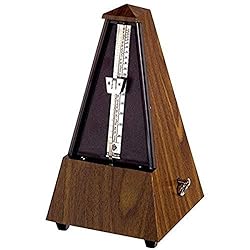
Practicing this section slowly with a metronome helps reinforce pulse awareness. Focus on smooth air flow and natural phrasing rather than excessive tongue movement. Start at 96 mm and gradually move up to 126 mm.
Phrase Two: Eighth Rests and Rhythmic Contrast
The second phrase introduces eighth rests, which add both rhythmic and melodic contrast. These rests require precise timing and strong internal subdivision.
When practicing this phrase:
-
Observe the rests as carefully as the notes
-
Keep the air moving through the silence
-
Avoid hesitation after each rest
This section strengthens rhythmic control and reinforces confidence in compound meter.
Recap of the Main Melodic Line
The final eleven measures bring back the original melodic material. This recap allows the player to demonstrate musical growth and improved control.
Rather than repeating the opening mechanically, approach the recap with:
-
Clear phrasing
-
Strong rhythmic confidence
-
Greater dynamic awareness
This return reinforces the structure of the etude and encourages expressive playing.
Dynamics and Accents
Dynamic changes and accents appear throughout this trombone etude in 6/8 time. These markings help shape the musical line and reinforce the compound meter.
Pay close attention to:
-
Accents on strong beats
-
Smooth dynamic transitions
-
Balance between articulation and tone quality
Using dynamics effectively adds depth and character to the performance.
Practice Tips for Intermediate Trombonists
To get the most from this gigue-style etude:
-
Start at a slow tempo and subdivide
-
Clap or sing the rhythm before playing
-
Practice each phrase separately
-
Use a metronome to maintain pulse
-
Record yourself to check clarity and feel
Consistent, focused practice will lead to steady improvement.
Musical Benefits of This Etude
This trombone etude in 6/8 time helps players:
-
Build confidence in compound meter
-
Improve eighth-note clarity
-
Strengthen rhythmic accuracy
-
Develop articulation control
-
Understand gigue musical style
These skills transfer directly to solo, ensemble, and orchestral repertoire.
Trombone Etude in 6/8
Final Thoughts
I wrote this gigue-style trombone etude in G major to be both practical and musical. It challenges rhythmic precision while encouraging expressive playing. Approach this study with attention to pulse, phrasing, and style. With thoughtful practice, it will strengthen your understanding of 6/8 time and improve your overall musicianship on the trombone. If you like this etude, check out my other etudes in the Trombone Resource Center of this website.
Related Material
The Best Warm-Up Routine for Trombone Players
Trombone Practice Mutes: A Complete Guide