
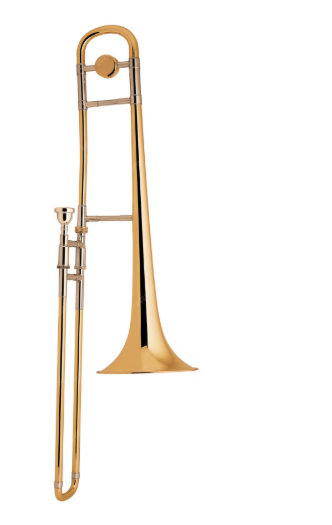
Trombone Etude No. 7 in Bb Major is designed to challenge students both technically and musically. This study focuses on rhythmic awareness, melodic contrast, and precise articulation, all while remaining firmly rooted in the key of Bb Major. At a brisk tempo of 126 beats per minute, the etude demands careful attention and disciplined practice.
This trombone etude is especially useful for trombone students who are ready to move beyond basic technical studies and begin refining skills that directly transfer to band, solo, and ensemble repertoire.
Let’s get started!
Amazon Affiliate Disclaimer
The Trombone Mentor participates in the Amazon Services LLC Associates Program. As an Amazon Associate, we earn from qualifying purchases at no extra cost to you.
Trombone Etude No. 7 in Bb Major
Why Etude No. 7 Is Important for Trombone Students
A well-written trombone etude should develop multiple skills at once. Trombone Etude No. 7 accomplishes this by combining rapid meter changes with contrasting melodic ideas and detailed articulation markings.
Students studying this trombone etude in Bb Major will improve time signature awareness, slide accuracy in chromatic passages, interval control at faster tempos, and articulation clarity. These skills are essential for confident and musical trombone playing.
The Role of Bb Major in Trombone Technique
Bb Major is one of the most common keys for trombonists. It aligns naturally with the instrument’s fundamental pitch and appears frequently in band and orchestral music. Because of this, mastering the Bb Major scale is a core requirement for developing trombone technique.
This trombone etude in Bb Major reinforces scale fluency while encouraging students to think beyond simple scale patterns. Instead, the scale is used musically through chromatic motion and wide interval leaps.
Navigating Fast Time Signature Changes (2/4, 3/4, and 4/4)
One of the defining features of Trombone Etude No. 7 is the frequent change between three time signatures: 2/4, 3/4, and 4/4. These changes occur quickly and require the trombonist to remain mentally alert throughout the etude.
At a tempo of the metronome marking of 126, students must recognize each meter immediately and understand how the strong beats shift. This skill is critical for ensemble playing and advanced repertoire.
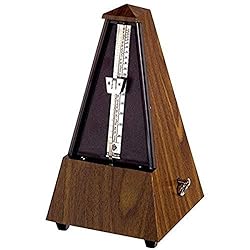
Metronome Practice
One of the best investments for any musician is to own and use a metronome. This device with regular use will improve your skill of playing in exact time. There is an expression that I love sharing with my students that says: “We Hear With Our Ears and Listen With Our Brain”. Using a metronome teaches us how to do both.
Practicing this trombone etude with a metronome would be very beneficial. The fast tempo allows little room for hesitation, and steady pulse awareness is required to maintain control.
Effective metronome practice includes starting under tempo, counting subdivisions aloud, and gradually increasing the tempo until 126 mm feels secure.
Chromatic Melodic Writing in the First Half
The first half of Trombone Etude No. 7 features a chromatic melodic line. Chromatic passages challenge slide precision, tone consistency, and listening awareness.
Slow practice with a tuner helps ensure accurate pitch and smooth slide movement. Students should focus on even tone production across half-step motion.
Interval Playing in the Second Half
The second half of this trombone etude in Bb Major shifts toward interval leaps while maintaining a playful melodic character. These intervals demand strong air support and embouchure stability.
Practicing intervals in isolation can help students build confidence before performing the section at full tempo.
Articulation Focus: Staccato, Slurred, and Accented Notes
Articulation is a central element of Trombone Etude No. 7. The etude includes staccato, slurred, and accented notes, each requiring careful attention.
Staccato notes should remain short, light and separated. Slurred passages smooth and connected not smeared. Accented notes should have a strong weight to them without harshness. Clear articulation enhances both clarity and musical character.
Maintaining a Playful Musical Character
Despite its technical challenges, this trombone etude should always sound musical. The playful nature of the melodic material should come through in performance.
Students are encouraged to think beyond accuracy and focus on phrasing, style, and expression.
Suggested Practice Plan for Trombone Etude No. 7
A structured practice approach can make this etude more effective:
- Begin with slow rhythm-only practice
- Add notes while maintaining tempo
- Isolate chromatic and interval sections
- Layer in articulations
- Gradually increase tempo to 126 mm
- Don’t play this Etude No. 7 once an put ir away – Practice this until you can play it without mistakes.
Focused practice sessions are recommended.
Who Should Study This Trombone Etude?
Trombone Etude No. 7 is appropriate for advanced middle school students, high school trombonists, and early college-level players. Teachers may also find it useful as a preparatory study for ensemble and solo literature.
How This Etude Fits into a Complete Trombone Etude Series
This trombone etude in Bb Major builds on earlier studies while introducing new rhythmic and melodic challenges. When combined with other etudes, it contributes to a balanced and progressive trombone technique. Other Etudes from this series:
Etude #1 for Trombone: Developing a Smooth, Lyrical Playing Style
Etude #2 “Proclamation” – Trombone Study in C Major
Rhythmic Dance Study for Trombone: Etude #3
Major Scale Study for Trombone: Etude #4
Trombone Etude in 6/8 Time: Gigue-Style Study in G Major
Etude No. 6 for Trombone – Lyrical March in F Major
Final Thoughts on Trombone Etude No. 7 in Bb Major
Trombone Etude No. 7 in Bb Major develops rhythmic precision, chromatic control, interval accuracy, and articulation clarity. With consistent and thoughtful practice, students can apply these skills directly to real musical performance.
This trombone etude serves not only as a technical study, but as a complete musical experience.
Related Material
How to Practice Trombone Effectively
Trombone Practice Mutes: A Complete Guide