
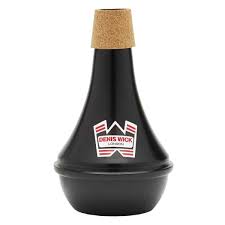
A trombone practice mute allows players to practice quietly while maintaining proper embouchure, airflow, and slide technique. For musicians who live in apartments, practice late at night, or share walls with others, a practice mute can make consistent practice possible without disturbing anyone.
In this guide, you’ll learn what a trombone practice mute is, how it works, how to use one correctly, and which models are most trusted by trombonists.
Let’s get started!
Disclaimer
This article contains Amazon Affiliate Links. What this means, is that, at no cost to you, if you click a link and follow through with a purchase, this site may earn a small commission.
New to The Trombone?
Before we start talking about the trombone practice mute, I refer you to a great article: How to Start Playing Trombone: A Beginner’s Guide. This is a great tutorial for any trombone beginner.
What is a Trombone Practice Mute?
A trombone practice mute is a device that is put into the bell of the trombone designed to reduce volume as much as possible. Unlike straight or cup mutes, which are used for tone color during performance, practice mutes exist for one purpose: quiet practice.
As a result, they are ideal for home practice when volume control is essential. There are many brands and models of practice mute, so read on and learn about one of the most essential tools that you should have.
Why a Straight or Cup Mute Is Not a Good Substitute for a Practice Mute
Many beginning trombonists wonder if they can simply use a straight mute or cup mute instead of purchasing a trombone practice mute. While these mutes do reduce the volume somewhat, they are designed for an entirely different purpose and are not effective substitutes for a dedicated practice mute.
Different Purpose, Different Design
Straight and cup mutes are performance mutes. Composers specify them to create a particular tone color or musical effect during a concert or rehearsal. Their goal is to change the character of the sound—not to make the instrument quiet.
A practice mute, on the other hand, is engineered specifically to reduce the trombone’s volume as much as possible while still allowing the player to practice fundamental skills.
Limited Volume Reduction
Although a straight or cup mute makes the trombone softer than open playing, the reduction in volume is relatively modest. In many situations—such as practicing in an apartment, dormitory, hotel, or after family members have gone to bed—the instrument is still loud enough to disturb others.
A quality practice mute reduces the volume much more dramatically, making it a far better choice when quiet practice is the goal.
Different Playing Characteristics
Because straight and cup mutes were designed for musical performance, they provide a different balance of resistance and airflow than practice mutes. They are intended to help players produce a specific muted sound while maintaining musical expression.
Practice mutes intentionally create greater resistance to achieve maximum sound reduction. While the playing feel is different from an open horn, a good practice mute is designed so that players can continue working on breathing, articulation, slide technique, and basic embouchure development.
Preserve Your Performance Mutes
Another consideration is simple wear and tear. Straight and cup mutes are performance equipment that may be used in rehearsals, concerts, auditions, and solo performances. Using them every day for extended practice sessions increases the likelihood of dents, scratches, worn corks, or other damage.
By using a dedicated practice mute for daily quiet practice, you help keep your performance mutes in excellent condition for the times when you truly need them.
The Bottom Line
If your goal is simply to change the sound of the trombone during a performance, a straight or cup mute is exactly the right tool. However, if your goal is to practice quietly without disturbing others, there is no substitute for a quality trombone practice mute.
Investing in a well-designed practice mute will provide significantly better sound reduction, a more consistent playing experience, and the convenience of practicing whenever your schedule allows. It is one of the most useful accessories a trombonist can own, especially for students, apartment dwellers, and anyone with limited practice opportunities.
How a Trombone Practice Mute Works
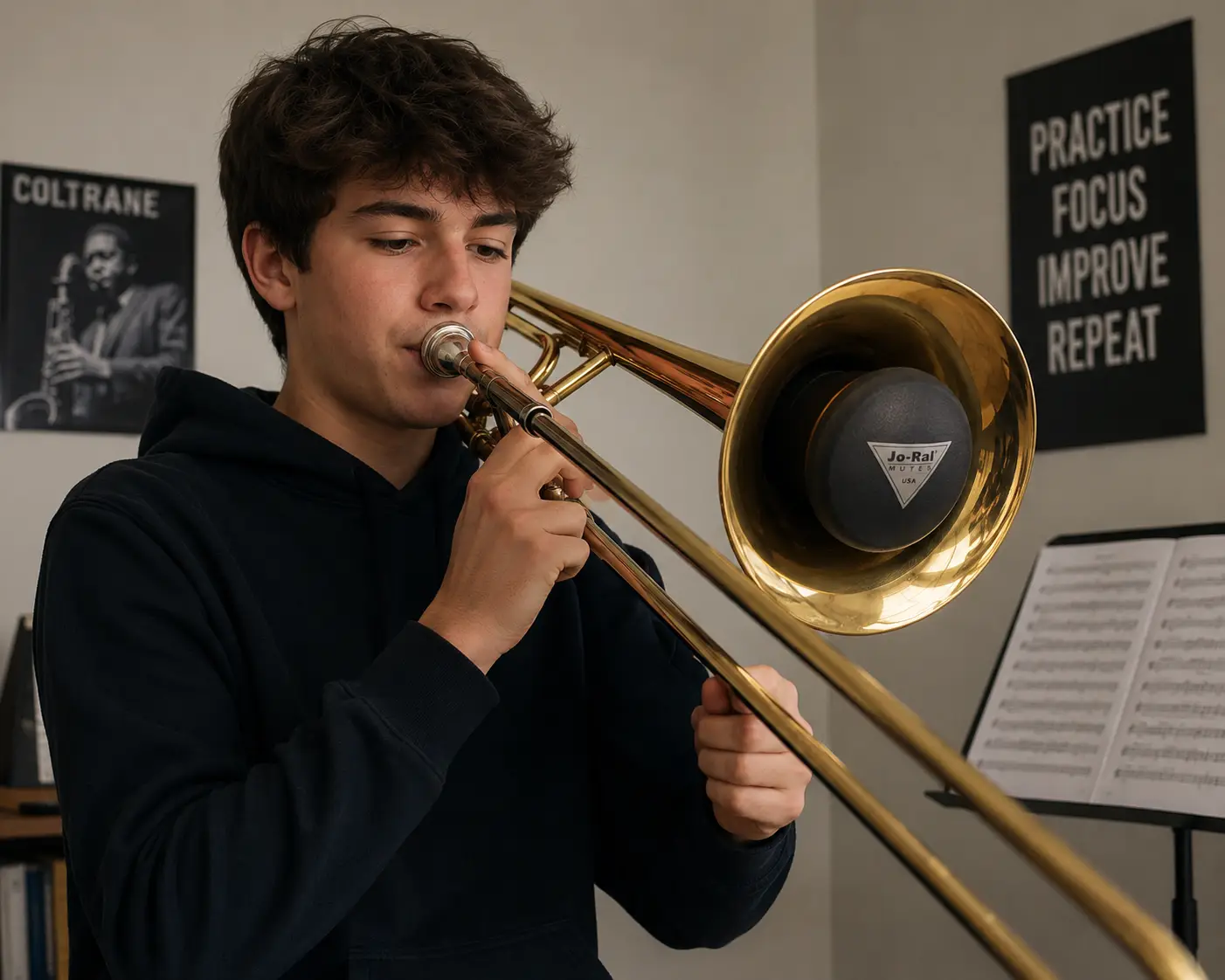
A trombone practice mute works by limiting the airflow exiting the bell. Because of this restriction, several things happen:
- The overall volume is greatly reduced
- Resistance increases
- Pitch often runs slightly sharp
For this reason, playing with a practice mute feels different from open playing. However, this difference is normal and expected.
Benefits and Limitations of a Trombone Practice Mute
Benefits
- Allows practice in apartments and shared homes
- Makes early morning or late-night practice possible
- Helps maintain embouchure and airflow awareness
- Small and easy to transport
Limitations
- Increased resistance can cause fatigue
- Pitch and tone are altered
- Not ideal for long practice sessions
- Should not replace open playing
Therefore, a practice mute works best as a supplement, not a substitute.
Who Should Use a Trombone Practice Mute?
A trombone practice mute is useful for:
- Beginners and students
- College musicians
- Apartment or condo residents
- Traveling players
- Anyone with noise restrictions
Even professional trombonists use practice mutes for warm-ups or maintenance practice.
How to Practice With a Practice Mute
To practice effectively with a trombone practice mute, follow these guidelines:
- Limit practice to 10–30 minutes
- Focus on:
- Long tones
- Breathing exercises
- Soft articulation
- Avoid forcing air
- Use a tuner to monitor pitch
- Balance mute practice with open playing
By doing this, you avoid developing bad habits while still practicing quietly.
Trombone Practice Mute Comparison Chart
When choosing a trombone practice mute, going with a trusted brand instead of a generic “no-brand” model matters more than many players realize. No-brand practice mutes may be cheaper, but they often cut corners on materials, design, and playability. This can lead to poor sound reduction, unpredictable resistance, and uneven pitch — all of which make practice frustrating rather than productive.
In contrast, established brands like Humes & Berg, Denis Wick, sshhmute, and Yamaha Silent Brass have a proven track record among students, educators, and professionals. They use higher-quality materials, thoughtful design that balances quietness with playability, and consistent manufacturing standards, so what you buy actually performs as expected. Choosing a well-reviewed model gives you better durability, a more natural feel, and practice results that translate into real musical improvement, making the investment worthwhile when compared with the risk of disappointment from a no-name device.
| Trombone Practice Mute | Volume Reduction | Resistance | Feel | Best For |
|---|---|---|---|---|
| Humes & Berg | Good | Moderate | Traditional | Beginners & Students |
| Denis Wick DW5527 | Very Good | Balanced | Smooth | Intermediate Players |
| Sshhmute | Very Good | Low | More Natural | Comfort-Focused Players |
| Yamaha Silent Brass | Excellent | Adjustable | Electronic Monitoring | Maximum Silence |
Trombone Practice Mute Reviews
Let’s look at these four trombone practice mutes and examine the quality. I have personally played all four and own the top two.
Humes & Berg 167 Trombone Practice Mute
The Humes & Berg trombone practice mute is a popular choice for beginners and students. It provides reliable volume reduction at an affordable price.
Sound Dampening Core
Inside the mute, there’s a sound absorbing core layer — often made of dense foam, rubber, or multi layered composite — that absorbs and scatters sound waves as they exit the bell. This core is essential for reducing volume without completely deadening the feel of the instrument. Because the materials are chosen for both density and resilience, the mute minimizes outside sound while still allowing you to hear enough pitch and response to practice effectively.
Best for: Beginners, students, and budget-conscious players.
Denis Wick DW5527 Trombone Practice Mute
The Denis Wick Trombone Practice Mute stands out as a preferred choice among intermediate to professional players because of its design and high-quality materials. Unlike basic or no brand practice mutes, this model strikes a careful balance between sound reduction, resistance, durability, and playability, making it a practice tool that feels musical and reliable.
Denis Wick has a long history of crafting brass accessories with performance in mind, and the DW5527 continues that tradition. The mute’s construction features precision engineered components that ensure:
- A snug, secure fit in the trombone bell, which enhances sound reduction and prevents rattling during playing
- Consistent performance from session to session, so your practice time is effective and predictable
This precision is not accidental — it comes from extensive testing and refinement on real instruments, making it more reliable than generic practice mutes with rough or inconsistent fits.
Many players find that this mute stays more consistent in pitch across registers. As a result, it works well for regular practice sessions.
Best for: Intermediate players to professional players.
Sshhmute Trombone Practice Mute
The sshhmute Trombone Practice Mute has gained attention from players who want a practice mute that feels more natural and less restrictive than traditional designs. It’s built with a focus on comfort, airflow, and effective sound reduction — without the heavy resistance or stuffy feel that cheaper or generic practice mutes can create. Here’s what sets the sshhmute apart in terms of design and materials and why many players prefer it for regular practice.
The sshhmute is designed around one main idea: maintain as much of the horn’s natural feel as possible while keeping the volume low. To achieve this, its shape and internal structure are engineered to:
- Minimize back pressure, so the airflow feels closer to open playing
- Allow better responsiveness, making it easier to articulate and control dynamics
- Keep the internal airflow smooth, reducing the “choked” sensation common in many practice mutes
This focus on airflow helps players avoid fatigue and maintain proper embouchure technique, even during longer practice sessions.
Best for: Players who dislike excessive resistance.
Yamaha Silent Brass System for Trombone
Electronic Sound Capture and Monitoring
Unlike passive mutes that simply block sound, the Silent Brass System uses:
- Internal microphones or pickups to capture your playing
- Signal processing to reduce external noise
- Headphone monitoring, so you hear what you’re playing clearly even though the trombone sounds very quiet to others
This means you get:
- Realistic tone feedback
- Accurate pitch awareness
- A natural playing experience even when muted
Near Silent External Sound
One of the biggest benefits of the Silent Brass System is its ability to cut external sound drastically — much more than standard practice mutes can.
Whether you want quiet or almost silent, the Silent Brass delivers levels of reduction that traditional mutes simply can’t match.
Although it costs more than standard mutes, it offers the quietest practice option available.
Best for: Practicing anytime and anywhere!
Common Mistakes to Avoid When Using a Practice Mute
- Practicing too long with a mute
- Using a practice mute for tone development
- Ignoring sharp pitch tendencies
- Forcing air to overcome resistance
- Replacing open playing entirely
Avoiding these mistakes will keep your practice healthy and productive.
Ready to Take Your Trombone Playing to The Next Level?
Whether you are just starting trombone or looking to strengthen your tone, technique, and musical confidence, private lessons can help you progress faster with clear guidance and personal support.
With The Trombone Mentor, you receive:
• Step-by-step instruction
• Customized practice plans
• Expert feedback and encouragement
• Online lessons you can take from anywhere
Stop guessing and start making steady progress with lessons designed around your goals.
ONLINE TROMBONE LESSONS – Learn Anywhere with a Private Trombone Teacher
Final Thoughts
A trombone practice mute is an essential tool for any trombonist. While it cannot replace open playing, it allows players to practice more consistently and responsibly.
Choosing the right trombone practice mute depends on your environment, comfort level, and budget. When used correctly, it removes one of the biggest barriers to regular practice.
About the Author
Rick Lawrence is a music educator, conductor, professional trombonist, and private instructor with more than 40 years of playing and teaching experience. He has performed with orchestras, jazz ensembles, brass bands, and pit orchestras, and studied with John Coffey of the Boston Symphony Orchestra, Donald Knaub of the University of Texas, and Edward J. Madden.
Through The Trombone Mentor, Rick provides online trombone lessons and educational resources for beginner, intermediate, and advanced trombonists.
Related Trombone Articles
How to Practice Trombone Effectively
Music Listening Skills: Hear with Your Ears, Listen with Your Brain
Trombone Mouthpieces Explained: Sizes, Shapes, and How to Choose the Right One