
Music appears in every culture and time period, yet it relies on a small set of core ideas. These ideas form the basic elements of music. When musicians and active listeners understand these elements, music becomes easier to hear, perform, and appreciate.
In this article, I will explain the 5 basic elements of music. You will learn how each element plays its specific role. Together, they create everything from simple songs to complex compositions. Let’s get started!
Disclaimer
This article contains Amazon Affiliate Links. What this means, is that, at no cost to you, if you click a link and follow through with a purchase, this site may earn a small commission.
What Are the Basic Elements of Music?
I live by a simple logical definition of music that says: “Music is Organized Sounds and Silences”. The basic elements of music are the fundamental building blocks that all music is made from. Just as language uses letters and words, music uses rhythm, melody, harmony, form, and timbre to communicate ideas and emotions.
Over my career as an educator, trombonist, and a conductor, I based most of my teaching on these basic elements. Each element answers a different musical question:
- How does the music move in time?
- What notes are being played?
- How do the notes sound together?
- How is the music organized?
- Why does one instrument sound different from another?
As you read further, you will understand for these elements as you hear and listen more clearly. Musicians will perform with greater control and confidence. A great resource book for learning more about music listening is . This is a course with audio CD written by Craig Wright.
Rhythm: The Element of Time in Music

Rhythm is the element that organizes music in time. It tells us when sounds occur and how long they last. At the center of rhythm sits the beat. This is a steady recurring pulse. Think of the “beat” as a musical heartbeat. Around that beat, rhythms create patterns of long and short sounds.
Key parts of rhythm include:
- Beat – the steady recurring pulse
- Tempo – how fast or slow the beat moves
- Meter – how beats are grouped (such as groups of two or three)
- Rhythmic patterns – repeating combinations of notes and rests
- Syncopation – accents placed on unexpected beats
Because rhythm drives movement and energy, it gives music direction and momentum.
Melody: The Musical Line We Recognize
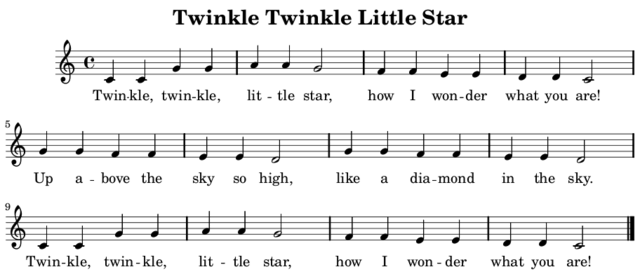
Melody forms the musical line that listeners remember most easily. In simple terms, melody creates the “tune” of a piece. A melody can move upward and downward, forming a recognizable shape called melodic contour. This shape helps listeners follow the musical idea.
Important features of melody include:
- Pitch – how high or low a note sounds
- Range – the distance between the lowest and highest notes
- Intervals – the distance or space between pitches
- Phrasing – how musical ideas are grouped. Think of this as being similar to sentences in speech
Because a melody can carry musical identity, listeners often recognize a piece after hearing only a few notes. A godd example is “Twinkle, Twinkle, Little Star”.
Harmony: Supporting and Coloring the Melody

Harmony occurs when two or more notes sound at the same time. While melody moves through time, harmony adds depth and richness. Composers create harmony using chords. This is for the most part a vertical structure.
Key harmony concepts include:
- Chords – different tonalities such as major and minor
- Chord progressions – that guide the music forward
- Consonance – which sounds stable
- Dissonance – which creates tension
Various harmonic design can and will change the emotional character of the music and influence how listeners feel.
Form: How Music Is Organized

Form describes the overall structure of a piece of music. It explains how musical ideas repeat, contrast, and develop. I like to think of form in music as the composers “architectual building plan” for the composition. Some compositions are created using a very simple “song form”, while other pieces are quite sophisticated and complex (symphonies, fugues, etc.). In many ways, musical form works like storytelling. A piece introduces ideas, develops them, and eventually brings them to a conclusion.
Common musical forms include:
- Binary form (AB) – two contrasting sections
- Ternary form (ABA) – a return to the opening idea
- Verse–chorus form – common in popular music
- Rondo form (ABACA) – a recurring main theme
- Theme and variations – one idea presented in different ways
Because form provides structure, it helps listeners follow the musical journey.
Timbre: The Color of Musical Sound
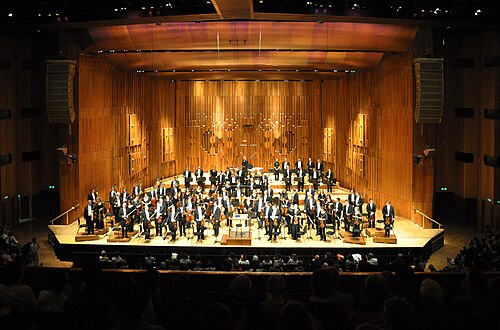
Timbre (pronounced tam-ber) is the quality or color of a sound. It explains why two instruments can play the same note at the same volume, yet sound completely different
Several factors shape timbre:
- Instrument design
- Method of sound production
- Playing technique
- Overtones and harmonics
For example, a trumpet and a flute can play the same pitch. However, their timbres remain unmistakably different. Similarly, each human voice has a unique sound. As a result, timbre adds personality and contrast to music.
How the Basic Elements of Music Work Together
The basic elements of music almost never work alone. Every piece of music combines all five elements at the same time.
Just to reiterate – even a simple song includes:
- Rhythm to organize time
- Melody to carry the main idea
- Harmony to add support
- Form to shape structure
- Timbre to define sound
When these elements interact, music becomes expressive and complete. One of the best books to read about listening to music is What to Listen For in Music by Aaron Copland. Mr.Copland dives into each element with great insight while teaching you not to listen to the music, but what to listen for in the music.
Why Understanding the Elements of Music Matters
As you can see, music is not a simple art form. It is quite complex the more you get into it. Having said that, remember that the elements of music improves musical growth. They also sharpen listening skills. And it improves performance awareness. Finally, your musical vocabulary will become stronger.
Because these elements appear in all styles of music, this knowledge applies universally.
Learning the elements of music improves:
- Listening skills, by helping you hear details
- Performance, by increasing control and awareness
- Musical vocabulary, by giving you words for what you hear
- Appreciation, by revealing how music is constructed
This knowledge applies to all styles of music, from classical and jazz to rock, pop, and folk.
Conclusion: The Foundation of All Music
The basic elements of music—rhythm, melody, harmony, form, and timbre—form the foundation of all musical expression. By learning to recognize these elements, listeners gain clarity and musicians gain control. Ultimately, the more you listen for these elements, the deeper your connection to music becomes.
Related Trombone Articles
Listening Skills for Musicians: How to Hear Music More Deeply
Trombone Practice Mutes: A Complete Guide