
Syncopation rhythm is one of the most important concepts in music, yet it’s also one of the most misunderstood. Many musicians can play the notes, but struggle to make syncopated rhythms feel natural and musical. When syncopation is played well, music feels alive, relaxed, and expressive. When it isn’t, the rhythm feels stiff or unstable.
This article explains what syncopation rhythm is, why it feels the way it does, and how musicians can learn to play it with confidence and control.
Let’s get started!
Disclaimer
This article contains Amazon Affiliate Links. What this means, is that, at no cost to you, if you click a link and follow through with a purchase, this site may earn a small commission.
Syncopation Definition
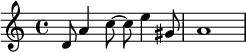
Syncopation is a rhythmic concept where the emphasis is placed on beats or parts of beats that are normally considered weak. Instead of stressing the strong beats, syncopation shifts accents, entrances, or sustained notes to unexpected places within the musical pulse.
In simple terms, syncopation happens when the rhythm goes against what the listener expects while the underlying beat remains steady.
This is an important distinction: syncopation does not mean playing out of time. The pulse stays consistent — it’s the placement of sound and silence that changes.
What Is Syncopation Rhythm?
Syncopation rhythm refers to how syncopation functions within a steady beat. Strong beats continue to exist, but the music draws attention away from them by emphasizing off-beats, sustained notes, or rests.
In syncopated music:
-
Notes may start on weak parts of the beat
-
Strong beats may be silent
-
Accents may fall between beats
-
Notes may be tied across strong beats
The result is a rhythmic feel that creates motion, tension, and forward energy without disrupting the time.
Why Syncopation Feels Unexpected
Listeners naturally expect music to emphasize strong beats. When those expectations are shifted, the rhythm feels surprising or playful.
Syncopation feels unexpected because:
-
Accents occur where silence is expected
-
Notes are held across beats instead of landing on them
-
Rhythmic energy is displaced rather than reinforced
This sense of surprise is what gives syncopation its character. When played well, it creates groove and flow. When played poorly, it can feel rushed or unstable.
Common Types of Syncopation
Syncopation rhythm appears in several common forms. Understanding these helps musicians recognize and perform syncopated passages more accurately.
Off-Beat Accents
Accents placed between strong beats, often on the “and” of the beat.
Tied Notes Across Beats
Notes that begin on a weak beat and are held through a strong beat, shifting the emphasis away from the downbeat.
Syncopated Rests
Silence placed on strong beats while notes occur on weaker parts of the measure.
Anticipations
Notes that arrive early, just before a strong beat, creating forward motion.
These elements often appear together in real music, creating layered syncopation.
Syncopation in Practice
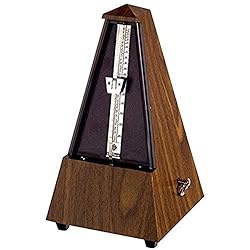
Understanding syncopation rhythm requires more than a definition — it must be felt within a steady pulse. The following example is written for intermediate musicians and demonstrates how syncopation develops gradually, beginning with simple time awareness and progressing toward rhythmic displacement and melodic application. As you work through the example, focus on maintaining a consistent internal beat while allowing accents, entrances, and rests to shift naturally around it. It is my recommendation that you use the best tool for this – a metronome
Tutorial Analysis: Syncopation for Intermediate Musicians
This example is written for intermediate players who already understand basic counting and subdivision. Its purpose is to develop control of syncopation rhythm while maintaining a steady internal pulse.
Each section introduces a new challenge while reinforcing the same underlying beat.
Measures 1–4: Reinforcing the Pulse
These opening measures establish a consistent quarter-note pulse in 2/4. Although the rhythm is simple, accuracy matters. The goal is not speed or volume, but steadiness.
Before continuing, the player should feel comfortable counting internally without drifting or tightening the time.
Measures 5–9: Subdivision Without Displacement
Here, the rhythm expands into even eighth notes. The beat remains unchanged, but the subdivision becomes more active. Counting “1 & 2 &” should feel relaxed and even.
This section prepares the player for syncopation by strengthening rhythmic awareness between the beats.
Measures 10–14: Off-Beat Entrances
In these measures, notes begin to fall on the “&” of the beat. This is the first true use of syncopation rhythm in the example. The challenge is to keep the quarter-note pulse stable while allowing the rhythm to shift.
Avoid accenting off-beat notes too strongly. Let them feel natural rather than forced.
Measures 15–18: Syncopation Through Silence
These measures introduce rests on strong beats. The absence of sound creates rhythmic tension, but the beat must continue internally. This is a common weakness for intermediate players.
The player should continue counting through every rest to prevent hesitation or rushing.
Measures 19–24: Sixteenth-Note Subdivision
This section introduces sixteenth-note groupings and requires clear internal subdivision using counts such as “1 e & a.” The beat remains steady, but rhythmic placement becomes more precise.
Focus on even spacing rather than speed. Control is more important than intensity.
Measures 25–32: Syncopation in Melodic Motion
Here, syncopation is embedded within melodic movement. Rhythm and pitch now work together, demanding greater coordination. The player must rely on internal time rather than visual cues.
At this stage, syncopation should feel integrated into the musical line.
Practice Focus for Intermediate Players
When practicing this example:
-
Maintain a steady internal pulse at all times
-
Count subdivisions during rests and sustained notes
-
Avoid over-accenting syncopated figures
-
Let syncopation sit comfortably inside the beat
Consistent time awareness is the key to confident syncopation.
How This Example Demonstrates Syncopation Rhythm
This example shows that syncopation rhythm does not disrupt time. Instead, it redistributes emphasis while the beat stays constant. By progressing from simple subdivision to applied melodic syncopation, the player develops rhythmic flexibility without sacrificing control.
Syncopation Rhythm in Musical Styles
Syncopation is a defining feature of many musical genres.
-
Jazz: Swing, accents, and phrasing rely heavily on syncopation.
-
Rock and Pop: Backbeat emphasis and rhythmic anticipation create drive.
-
Latin Music: Complex layers of syncopation create interlocking rhythms.
-
Funk: Strong off-beat accents define the groove.
Although styles differ, the rhythmic principle remains the same: the beat stays steady while emphasis shifts.
Why Musicians Struggle With Syncopation
Many musicians find syncopation difficult because it challenges their internal sense of time.
Common problems include:
-
Rushing through off-beats
-
Losing the underlying pulse
-
Over-accenting syncopated notes
-
Treating syncopation as mechanical instead of musical
These issues often stem from weak subdivision rather than lack of rhythmic ability.
How to Practice Syncopation Rhythm
Learning syncopation rhythm starts with strengthening time awareness.
Helpful practice strategies include:
-
Counting subdivisions out loud
-
Feeling the pulse internally, even during rests
-
Clapping or tapping rhythms before playing them
-
Listening closely to professional recordings
-
Moving the body to reinforce the beat
The goal is to feel syncopation within the beat rather than reacting to it.
Why Syncopation Is Musical, Not Just Technical
Syncopation is not just a rhythmic challenge — it’s a musical tool. It adds personality, shape, and expression to a performance. Musicians who control syncopation sound relaxed and confident, even in complex passages.
When syncopation becomes natural, it stops feeling like a problem to solve and starts feeling like part of the musical language.
Conclusion
Syncopation rhythm brings energy, contrast, and expression to music by shifting emphasis away from expected beats while maintaining a steady pulse. Understanding how syncopation works — and how it should feel — is essential for developing strong rhythmic control.
By focusing on pulse, subdivision, and musical intent, musicians can turn syncopation from a source of frustration into a powerful expressive tool.
Related Trombone Articles
How to Practice Trombone Effectively
Major Scales for Trombone: A Complete Practice Guide
Trombone Practice Mute: A Complete Guide for Quiet, Effective Practice