Are you curious about classical music but feel intimidated by its complexity? You’re not alone. Many people shy away from classical music simply because they don’t understand it—but the truth is, classical music for beginners can be surprisingly accessible and enjoyable. From the melodic genius of Mozart to the innovative compositions of Stravinsky and Bernstein, Classical music has a huge menu. In this guide, we’ll explore why listening to classical music can enrich your life. We will introduce you to iconic composers, and show you how to appreciate the many styles—without feeling overwhelmed.
If you’re completely new to the world of classical music, picking up a friendly guide like Classical Music For Dummies can make everything click — from instruments to famous pieces — without feeling overwhelming.
Let’s get started!
Disclaimer
Some of the links below are affiliate links. The Trombone Mentor is a participant in the Amazon Services LLC Associates Program, an affiliate advertising program designed to provide a means for sites to earn advertising fees by advertising and linking to Amazon.com. As an Amazon Associate, I may earn a small commission at no cost to you, if you follow through with a purchase.
Why Do People Avoid Classical Music?
With so many musical genres available today, classical music can feel intimidating. Some people imagine a large symphony orchestra performing complex works, while others think of a loud, fast brass quintet or a string orchestra.
Many people today label any unfamiliar music as “classical,” and that’s become a common—but sometimes misleading—habit. Classical or “Western Art Music” is historic and reflects hundreds of years past. To clear up some confusion, it’s helpful to understand that music history is divided into six main periods, and the Classical period is just one of them.
Why Listen to Classical Music?
Classical music may seem difficult at first, but it’s designed to be enjoyed. Its clear melodies, structured harmonies, and emotional depth make it accessible for new listeners.
Classical music is more than a historical curiosity—it’s a vibrant, timeless art form that can enrich your listening experience and open the door to centuries of musical genius.
Here’s a quick overview of the historical periods in Western music:
-
Medieval: 400–1400
-
Renaissance: 1400–1600
-
Baroque: 1600–1750
-
Classical: 1750–1825
-
Romantic: 1825–1900
-
Modern: 1900–Present
The Baroque Period (1600–1750)
Before the Classical period, the Baroque era dominated Western music. Known for its drama, complexity, and ornate style, Baroque music can feel intense to modern listeners—but it laid the foundation for the Classical period that followed.
Characteristics of Baroque Music
Baroque music is distinct for several key features:
-
Ornamentation: Composers decorated melodies with trills, turns, and other elaborate musical flourishes.
-
Contrast: Sharp contrasts in dynamics, tempo, and texture were common, creating drama and excitement.
-
Basso Continuo: A continuous bass line, often played by keyboard and cello, provided harmonic structure.
-
Polyphony: Multiple independent melodies were woven together, creating rich, layered textures.
-
Rhythmic Drive: Baroque music often features steady, propulsive rhythms that keep the music moving forward.
-
Emotional Expression: Music was written to convey strong emotions, ranging from joy to sorrow, often inspired by religious themes.
The Top Composers of the Baroque Period
Several composers achieved legendary status during the Baroque era:
-
Johann Sebastian Bach (1685–1750): Often called the master of counterpoint, Bach composed intricate fugues, cantatas, and keyboard works. His Brandenburg Concertos remain some of the most celebrated Baroque compositions.
-
George Frideric Handel (1685–1759): Known for his operas, oratorios, and orchestral suites, Handel wrote powerful works like Messiah and Water Music.
-
Antonio Vivaldi (1678–1741): Nicknamed the “Red Priest” for his fiery personality and hair color, Vivaldi composed over 500 concertos, including the beloved Four Seasons.
-
Domenico Scarlatti (1685–1757): Famous for his virtuosic keyboard sonatas, Scarlatti’s music was innovative and technically challenging, influencing later composers.
Baroque music may feel intricate or “busy” at first, but its energy, expressive melodies, and dazzling technique are undeniably captivating. Many of these composers were considered the rock stars of their day, performing for royalty and shaping the musical tastes of entire nations. Relax with Johann Sebastian Bach
The Classical Period (1750–1825)
If you’re just beginning to explore classical music, the Classical period is ideal. Composers from this era placed strong emphasis on melody, creating music that’s structured yet easy to listen to—similar to popular music today. Unlike the preceding Baroque period, which often produced heavy and complex compositions like fugues, Classical music is simple enough to “hum along” with.
Leonard Bernstein once called the Classical period “exact music,” meaning composers followed strict rules for writing and notation. These rules ensured that the music could be performed exactly as intended, preserving the composer’s vision.
Some important elements of Classical music notation include:
-
Dynamics: Symbols like f (forte, loud) and p (piano, soft) indicate volume changes.
-
Articulations: Indicate how notes should be played, e.g., smooth or detached.
-
Tempo markings: Specify speed and character of the music.
These details help performers bring the composer’s intentions to life, making Classical music structured yet highly enjoyable.
Key Composers of the Classical Period
Wolfgang Amadeus Mozart (1756–1791)
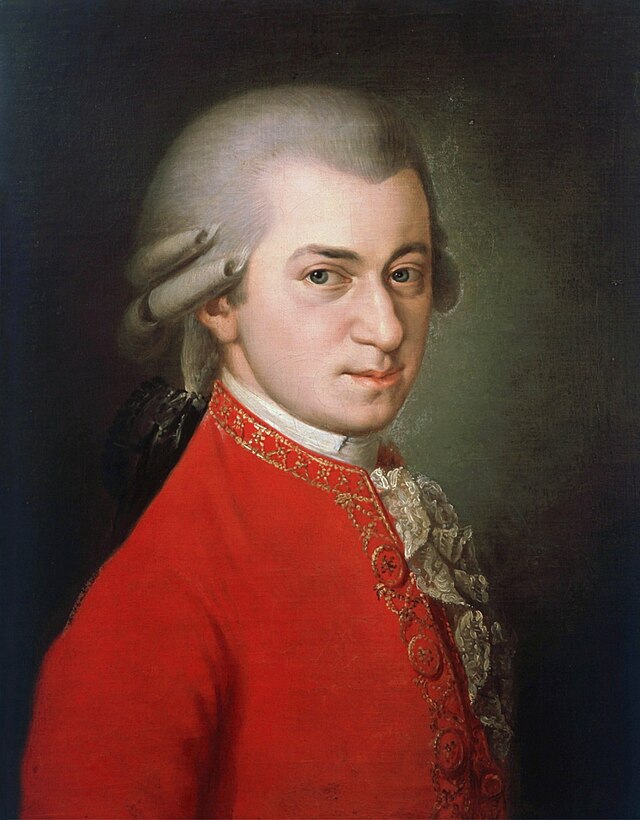
Mozart was a child prodigy born in Salzburg, Austria. By age four, he was already learning keyboard and violin, and by age ten, he wrote his first symphony. Mozart traveled across Europe performing with his family, and his talent quickly gained recognition.
Mozart’s compositions include operas, symphonies, sonatas, and concertos. His operas, such as The Marriage of Figaro and Don Giovanni, remain some of the most beloved works in classical music history. Mozart’s music is known for its clear melodies, balanced structures, and emotional depth.
Franz Joseph Haydn (1732–1809)
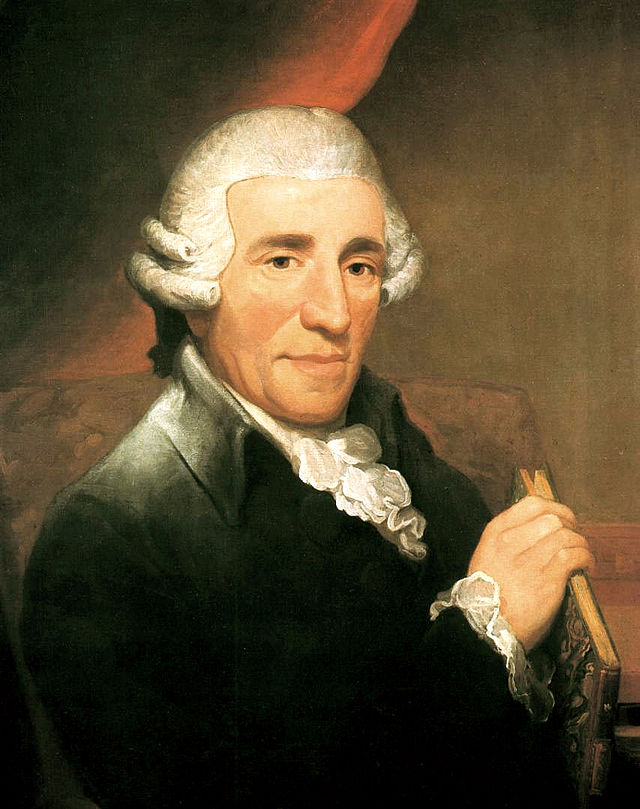
Known as the “Father of the Symphony” and the “Father of the String Quartet,” Haydn spent 30 years as a court musician for the Esterhazy family in Austria. Haydn wrote over 100 symphonies, 68 string quartets, and 14 operas, among other works.
He was innovative and disciplined, often experimenting with form and orchestration. One famous example is his Farewell Symphony, where musicians leave the stage one by one during the performance, creating a playful theatrical effect.
Ludwig van Beethoven (1770–1827)
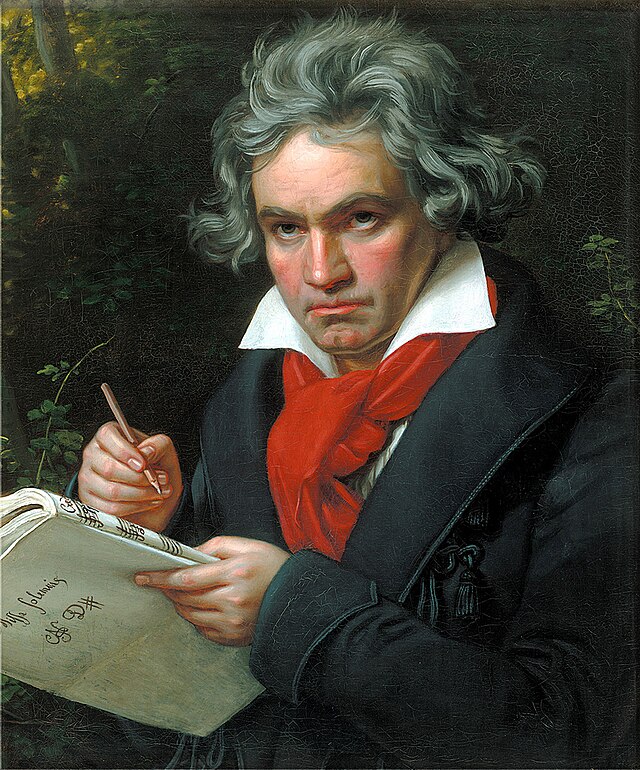
Beethoven bridged the Classical and Romantic periods, expanding musical expression and emotional depth. He composed symphonies, concertos, string quartets, piano sonatas, and even an opera.
Despite early struggles with a strict father and personal challenges, Beethoven’s passion and drive made him one of the most celebrated composers in history. His music was influenced by Mozart, Haydn, and Bach, but his style was uniquely his own, paving the way for the Romantic era.
Once you’ve heard a few favorites, dive into guides like The Classical Music Book or The Vintage Guide to Classical Music to understand what makes each piece so enduring.
The Symphony and Classical Orchestra
The symphony became one of the most important genres during the Classical period. Derived from the Italian word for “sounding together,” symphonies featured all four orchestral sections:
-
Strings
-
Woodwinds
-
Brass
-
Percussion
Early Classical symphonies usually had three movements:
-
Fast-tempo opening (sonata form)
-
Slow, lyrical second movement
-
Fast finale
Later, composers added a minuet and trio between movements, adding variety and elegance.
The Classical orchestra typically included 30–60 musicians. Composers used the orchestra to explore dynamics, tone color, melody, articulations, and complex rhythms, creating rich, expressive performances.
The Romantic Period (1825–1900)
Following the Classical era, the Romantic period emphasized emotion, individuality, and expression. Composers sought to push the boundaries of music, creating works that were dramatic, passionate, and often larger-than-life.
Characteristics of Romantic Music
Romantic music is known for several defining features:
-
Expressive melodies: Long, lyrical lines designed to stir emotion.
-
Expanded orchestras: Composers used larger orchestras to achieve richer sounds, adding new instruments for tone color.
-
Dynamic extremes: Sudden changes in volume and intensity heighten drama.
-
Programmatic music: Many works tell stories or paint musical pictures, often inspired by literature, nature, or personal experiences.
-
Harmonic innovation: Composers experimented with chromaticism, dissonance, and new chord progressions to expand emotional expression.
Great Composers of the Romantic Period
Some of the most celebrated composers of the Romantic era include:
-
Frédéric Chopin (1810–1849): Known for his piano masterpieces, Chopin’s music combines technical brilliance with deep emotion.
-
Franz Schubert (1797–1828): Famous for his lieder (songs) and symphonies, Schubert blended lyricism with classical structure.
-
Pyotr Ilyich Tchaikovsky (1840–1893): Renowned for his ballets (Swan Lake, The Nutcracker), symphonies, and concertos, Tchaikovsky’s music is sweeping and emotionally intense.
-
Johannes Brahms (1833–1897): A master of symphonic and chamber music, Brahms bridged Classical structure with Romantic expressiveness.
-
Richard Wagner (1813–1883): Known for his epic operas, Wagner’s music dramas, like The Ring Cycle, redefined orchestral storytelling.
Romantic music is the era of drama and passion, designed to evoke deep emotional responses from its audience. These composers were true innovators—musical “rock stars” whose works still inspire awe today.
Listen to: Tchaikovsky: Symphonies 4-6
The Modern Period (1900–Present)
The Modern period in music represents a time of experimentation, innovation, and diversity. Composers began breaking traditional rules, exploring new sounds, harmonies, and structures to reflect a rapidly changing world.
Characteristics of Modern Music
Modern music can vary widely, but some common traits include:
-
Experimentation with harmony and rhythm: Dissonance, atonality, and irregular rhythms became more common.
-
Expanded instrumentation: Composers incorporated unusual instruments, electronic sounds, and new technologies.
-
Variety of styles: Ranges from Impressionism to Minimalism, Jazz-influenced works, and avant-garde compositions.
-
Focus on individuality: Composers expressed personal ideas rather than adhering strictly to traditional forms.
-
Integration with other media: Music increasingly intersected with film, theater, and digital media.
Top Composers of the Modern Period
Modern music introduced composers who were as revolutionary in their time as any classical “rock star”:
-
Igor Stravinsky (1882–1971): Known for The Rite of Spring, which caused riots at its premiere due to its bold rhythms and harmonies.
-
Arnold Schoenberg (1874–1951): Pioneer of the twelve-tone technique, reshaping modern composition.
-
Claude Debussy (1862–1918): Impressionist composer whose music evoked moods and imagery through delicate textures and innovative harmonies.
-
Aaron Copland (1900–1990): Created iconic American-sounding music, including Appalachian Spring and Fanfare for the Common Man.
-
Philip Glass (1937–Present): A leader in Minimalism, known for repetitive structures and hypnotic patterns.
Modern music challenges listeners to experience sound in new ways, offering an endless variety of textures, rhythms, and ideas. It’s a period where the boundaries of what music can be are constantly expanding.
Listen To: Stravinsky: Le Sacre du printemps Rite of Spring The Firebird / Jeu de cartes / Petrouchka / Pulcinella
Conclusion
Classical music for beginners is more than just a historical curiosity—it’s a timeless art form full of memorable melodies, emotional depth, and structured beauty. By starting with the works of Mozart, Haydn, and Beethoven, you can experience music that is both approachable and profoundly rewarding. Whether you hum along to a famous symphony or simply sit back and enjoy the orchestral harmony, exploring classical music opens the door to centuries of musical genius. Take the first step today and discover the joy of listening to classical music—you might be surprised at how much you enjoy it.
Related Material
Music Listening Skills: Hear with Your Ears, Listen with Your Brain
Music Theory Basics: How to Write a Major Scale
Bill Watrous: Jazz Trombone Virtuoso and Studio Legend
The Elements of Music: A Complete Guide for Musicians and Active Listeners