
Denis Wick stands as one of the most influential figures in the modern brass world. Known equally for his distinguished career as Principal Trombonist of the London Symphony Orchestra and for his groundbreaking work as a mouthpiece and mute designer, Wick has left a lasting imprint on how trombonists play, teach, and choose their equipment. His unique ability to bridge elite performance with practical innovation makes his career especially relevant to trombone students and professionals alike.
Disclaimer
This article contains Amazon Affiliate Links. What this means, is that, at no cost to you, if you click a link and follow through with a purchase, this site may earn a small commission.
Early Life and Musical Background
Born in 1931 in the United Kingdom, Denis Wick grew up in a rich musical environment that nurtured his early interest in brass playing. From a young age, he demonstrated an exceptional aptitude for the trombone, quickly developing a refined sense of tone and musical discipline. His formative years were marked not only by rigorous instrumental study but also by a growing curiosity about how equipment influences sound production—an interest that would later define much of his professional legacy.

Professional Performing Career
Principal Trombonist of the London Symphony Orchestra
Denis Wick achieved international recognition through his appointment as Principal Trombonist of the London Symphony Orchestra (LSO), one of the world’s most prestigious orchestras. Holding this position for many years, Wick played a central role in shaping the LSO’s powerful and refined brass sound during a period of significant artistic growth.
As principal trombonist, Wick was responsible for leading the trombone section, setting stylistic standards, and performing demanding solo and ensemble passages from the orchestral repertoire. His playing was widely admired for its clarity, warmth, and reliability—qualities essential to both symphonic and studio work.
Recordings and Collaborations
Wick’s tenure with the LSO coincided with an era of prolific recording activity. He can be heard on numerous orchestral recordings, film soundtracks, and broadcast performances, collaborating with some of the most celebrated conductors and composers of the 20th century. These recordings continue to serve as reference points for orchestral trombone sound and style.
Teaching and Educational Influence
Teaching Philosophy
Beyond the concert hall, Denis Wick made a profound impact as an educator. His teaching philosophy emphasized fundamental sound production, precise articulation, and musical integrity. Wick believed that a beautiful, controlled tone was the foundation of all great brass playing, regardless of technical demands.
Academic Teaching and Masterclasses
Wick served on the faculty of the Royal Academy of Music in London, where he mentored generations of brass students. In addition to formal teaching, he conducted masterclasses around the world, sharing practical insights drawn directly from his professional experience. His ability to explain complex musical concepts in a clear, accessible way made him a highly respected teacher.
Published Pedagogical Works
Among his most enduring educational contributions is the book Trombone Technique, which remains a staple in trombone studios worldwide. The book addresses tone production, breathing, articulation, and musical interpretation, offering timeless guidance for players at all levels.
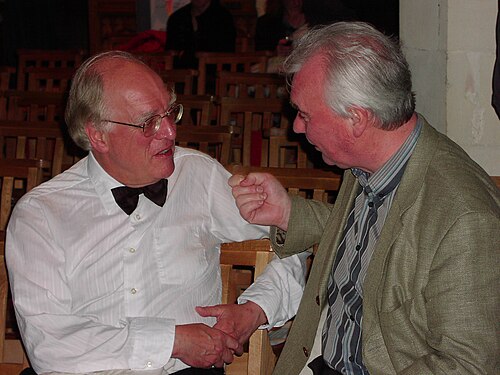
Denis Wick as a Mouthpiece Designer
The Origins of Innovation
Denis Wick’s foray into mouthpiece design grew out of real-world performance needs. Unsatisfied with inconsistencies in available equipment, he began experimenting with designs that would offer greater balance, reliability, and tonal consistency.
Design Philosophy
Wick approached mouthpiece design from a musician’s perspective. His designs focus on:
-
Even response across all registers
-
Secure articulation
-
A centered, characteristic orchestral sound
Rather than chasing extremes, Wick aimed to create mouthpieces that supported musical efficiency and endurance, particularly in professional orchestral settings.
Global Adoption
Denis Wick mouthpieces quickly gained popularity among trombonists, trumpeters, horn players, and tubists. Today, they are used by professionals, educators, students, and amateurs worldwide, valued for their consistency and musical versatility.
Innovation in Mute Design
Redefining Brass Mutes
Perhaps Wick’s most visible legacy lies in his mute designs. Before Denis Wick mutes became widely available, players often struggled with intonation issues and uneven response. Wick sought to create mutes that preserved the natural playing characteristics of the instrument.
Types of Denis Wick Mutes
His product line includes:
-
Straight mutes for orchestral clarity
-
Cup mutes offering adjustable tonal color
-
Practice mutes designed for realistic resistance and pitch stability
Each design reflects Wick’s commitment to practicality and musical realism.
Industry Standard
Denis Wick mutes are now considered industry standards, regularly specified by composers, conductors, and educators. Their consistent performance has made them a trusted choice in orchestras, bands, recording studios, and practice rooms around the world.
Influence on Modern Brass Performance
Denis Wick’s influence extends far beyond his own playing. By applying a performer’s insight to equipment design, he helped redefine expectations for how brass accessories should function. His work has contributed to a more consistent, reliable, and musically responsive playing experience for brass musicians at every level.
Legacy and Continued Relevance
Even decades after their introduction, Denis Wick’s mouthpieces and mutes remain widely used, a testament to their thoughtful design and enduring quality. His combined legacy as a performer, educator, and innovator places him among the most important figures in modern brass history.
Why Denis Wick Matters to Today’s Trombonists
For today’s trombone students, Denis Wick’s career offers valuable lessons:
-
Excellence in performance is rooted in fundamentals
-
Equipment should serve musical goals, not distract from them
-
Practical experience can drive meaningful innovation
Studying Wick’s work encourages trombonists to think critically about sound, technique, and the tools they use to express music.
Conclusion
Denis Wick represents a rare combination of artistic mastery and technical innovation. As a former principal trombonist of the London Symphony Orchestra, a respected educator, and the designer of world-class mouthpieces and mutes, his contributions continue to shape the brass world. His influence remains present every time a trombonist steps on stage, enters a practice room, or reaches into their case for a Denis Wick mute.
Related Material
Etude #1 for Trombone: Developing a Smooth, Lyrical Playing Style
Major Scales for Trombone: A Complete Practice Guide
How to Practice Trombone Effectively
Trombone Practice Mutes: A Complete Guide