
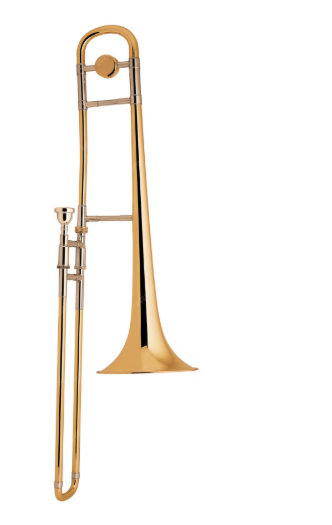
Etude #2, Proclamation, is a study written to help trombone players develop musical contrast, articulation accuracy, dynamic control, and phrasing awareness. As the title suggests, the piece opens with a bold, confident musical statement—much like a formal proclamation—before moving through lyrical and reflective sections that challenge the player to shift style and character.
This etude is written in the key of C Major, allowing the student to focus less on technical fingerings and more on musical expression and interpretation. While the notes themselves may appear accessible, the real challenge lies in carefully observing articulation markings, dynamic changes, and phrasing throughout the piece.
Let’s get started!
Etude #2 “Proclamation” – Key and Structural Overview
Proclamation is clearly organized and can be understood as a series of contrasting musical ideas. Recognizing this structure will help you as a trombonist play with intention rather than simply reading notes.
-
Key: C Major
-
Phrase structure: Primarily four-measure phrases
-
Musical form includes:
-
A bold opening statement
-
A recurring two-measure motif
-
A lyrical middle section
-
A reflective “Taps”-style ending
-
The Opening Proclamation (Measures 1–4)
The etude begins with a strong four-measure statement that establishes the confident character of the piece. This opening should sound decisive and commanding.
Performance considerations:
-
Use full, supported air
-
Clear and confident articulation
-
Avoid rushing—let the music speak with authority
-
Establish a strong dynamic presence appropriate to the markings
This opening sets the tone for the entire etude and should immediately capture the listener’s attention.
The Two-Measure Motif (Measures 5–6)
Following the opening statement is a two-measure motif derived from the opening material. Though shorter, it is just as important musically.
This motif acts as a unifying idea within the etude and will return later. When playing it:
-
Match the style and articulation of the opening
-
Maintain rhythmic clarity
-
Be aware of how it connects to the surrounding phrases
Consistency is key—when this motif returns, it should sound familiar and intentional.
The Lyrical Section (Eight Measures)
The etude then transitions into a lyrical passage lasting eight measures. This section contrasts sharply with the bold opening and requires a more singing style of playing.
Focus areas:
-
Smooth legato articulation
-
Steady, connected airflow
-
Shaped phrases that rise and fall naturally
-
Careful attention to dynamic markings
This section is an opportunity for the player to demonstrate musical maturity and expressive tone production.
The Second Melodic Statement
After the lyrical passage, a second melodic statement appears. While related to earlier material, it provides further development and musical interest.
The student should:
-
Identify similarities to previous ideas
-
Observe articulation and dynamic changes carefully
-
Maintain clarity while continuing musical shaping
This section reinforces the importance of reading and responding to all musical markings, not just pitch and rhythm.
Return of the Two-Measure Motif
The familiar two-measure motif returns, reinforcing the overall structure of the etude.
At this point, the student should aim to:
-
Play the motif consistently with its first appearance
-
Match articulation, style, and character
-
Use it as a recognizable anchor within the piece
This repetition helps develop a sense of musical form and cohesion.
The “Taps”-Style Ending (Final Five Measures)
The etude concludes with a five-measure ending reminiscent of “Taps.” This section is reflective, restrained, and expressive.
Key considerations:
-
Controlled, softer dynamics
-
Centered pitch and steady tone
-
Calm, respectful musical character
-
Avoid letting the tempo slow excessively unless marked
This ending should feel thoughtful and resolved, providing a strong contrast to the opening proclamation.
Articulation and Dynamic Awareness
Throughout Proclamation, the player encounters multiple articulation changes along with dynamic shifts from loud to soft. These markings are not optional—they define the musical character of each section.
Students should:
-
Practice articulations slowly and clearly
-
Exaggerate dynamic contrasts in practice
-
Avoid playing everything at the same volume or style
Attention to these details transforms the etude from a technical exercise into a musical performance.
Phrasing and Musical Shape
Phrasing in Proclamation is largely organized into four-measure sections. Players should:
-
Plan breaths at phrase boundaries
-
Avoid breaking phrases unintentionally
-
Listen for direction within each phrase
Good phrasing helps the music sound natural and expressive rather than mechanical.
Conclusion: Musical Goals of Proclamation
Etude #2 “Proclamation” is designed to strengthen a trombone player’s ability to:
-
Interpret contrasting musical styles
-
Execute precise articulations
-
Control dynamics across a wide range
-
Recognize and shape musical phrases
When practiced thoughtfully, this etude prepares students for more advanced repertoire by reinforcing the idea that musicianship matters as much as accuracy.
Related Material
Major Scales for Trombone: A Complete Practice Guide
Online Trombone Lessons: Learn Anywhere With a Private Trombone Teacher
The Best Warm-Up Routine for Trombone Players
Christian Lindberg: The Trombone Virtuoso
Student Practice Checklist
Etude #2 – Proclamation
Use this checklist during daily practice to stay focused and organized.
Before Playing
☐ Confirm key of C Major
☐ Review time signature and tempo
☐ Mark four-measure phrases
☐ Identify dynamic and articulation changes
Opening Proclamation (mm. 1–4)
☐ Full breath before starting
☐ Strong, clear articulation
☐ Confident dynamic level
☐ Steady tempo
Two-Measure Motif
☐ Match articulation to opening
☐ Maintain rhythmic accuracy
☐ Play with consistent style
Lyrical Section
☐ Smooth legato articulation
☐ Continuous airflow
☐ Shape each phrase musically
☐ Observe dynamic markings
Second Melodic Statement
☐ Watch articulation changes
☐ Observe dynamics carefully
☐ Maintain clear tone
Return of the Motif
☐ Match first appearance exactly
☐ Consistent style and character
“Taps”-Style Ending
☐ Controlled soft dynamics
☐ Centered pitch
☐ Calm, reflective tone
☐ Clean release at the end
Overall Review
☐ Follow all articulation markings
☐ Observe all dynamic changes
☐ Maintain four-measure phrasing
☐ Perform musically from beginning to end