
How to use a metronome is one of the first skills every young musician should learn. A metronome is a tool that helps you listen for the recurring pulse while you practice. This skill is learned over time so your music sounds smooth, confident, and in time.
This article will teach you about the metronome and how to use it. You will learn the mechanics of this device with exercises to practice. In no time you will notice how the metronome will help you practice with better rhythmic accuracy.
Let’s get started!
Affiliate Disclosure
The Trombone Mentor participates in the Amazon Services LLC Associates Program, an affiliate advertising program designed to provide a means for sites to earn advertising fees by linking to Amazon.com and related Amazon websites.
This means that when you click on an Amazon link on this site and make a purchase, we may earn a small commission at no additional cost to you.
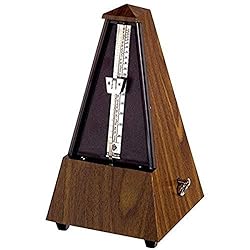
What a Metronome Does
Think of a metronome like a musical clock. It doesn’t play music — it keeps time so you can play better music. Below are six areas that a metronome will help with:
- Keeping a Steady Beat
A metronome helps you stay in time so your music doesn’t speed up or slow down without you noticing. - Learning New Music Slowly
You can set a slow tempo to practice difficult notes and rhythms accurately before speeding up. - Improving Rhythm Accuracy
Playing with a metronome teaches you to place each note exactly where it belongs in the beat. - Building Speed Safely
By slowly increasing the tempo, a metronome helps you play faster without losing control or making mistakes. - Practicing Scales and Exercises
Scales, long tones, and technical exercises become more effective when played evenly with a steady tempo. - Preparing to Play With Others
Using a metronome trains you to stay in time with a group, making it easier to play in bands, orchestras, and ensembles.
Types of Metronomes You Can Use
You don’t need anything fancy. Any of these work great:
Mechanical Metronome
- Wind-up style with a swinging arm
- Easy to see the beat
- No batteries needed
Digital Metronome
- Small electronic devices
- Adjustable volume and settings
- Very accurate
Metronome / Tuner Combination
- Two tools in one
- Digital device with hours of usable time
On a personal note, I got my first metronome as a birthday gift when I was 12 years old. I learned how to use it, used it every day as I practiced my trombone. This device helped drill into my brain how to listen for the “steady recurring pulse” known as the beat.
👉 Tip: For beginners, a simple mechanical metronome is a great start.
Understanding Metronome Settings
Before you start, let’s break down the basics.
When we read music notation, each measure is set up by a time signature. Let’s say it is 4/4 time. The top 4 tells us that there will be 4 beats per measure. The bottom 4 tells us what type of note will get one beat. In this case, it is a quarter note. So, a time signature is a symbol we use a form of “musical shorthand.”
The next item we will see above the time signature, is the tempo marking. Let’s say it is – Allegro 120 mm. This means 120 beats per minute or translates into: Allegro = fast, and the 120 = two beats per second.
Your metronome can be set to 120 and clicks four times, then repeats. Simple! Right? Some metronomes let you accent the first beat so you hear:
STRONG – weak – weak – weak
How to Set a Metronome (Step by Step)
- Turn on the metronome
- Set the tempo (start slow, like 60–80 BPM)
- Choose the time signature (usually 4/4)
- Adjust the volume so you can hear it clearly
- Listen before you play — don’t rush in
Always let the metronome establish the beat before you start playing.
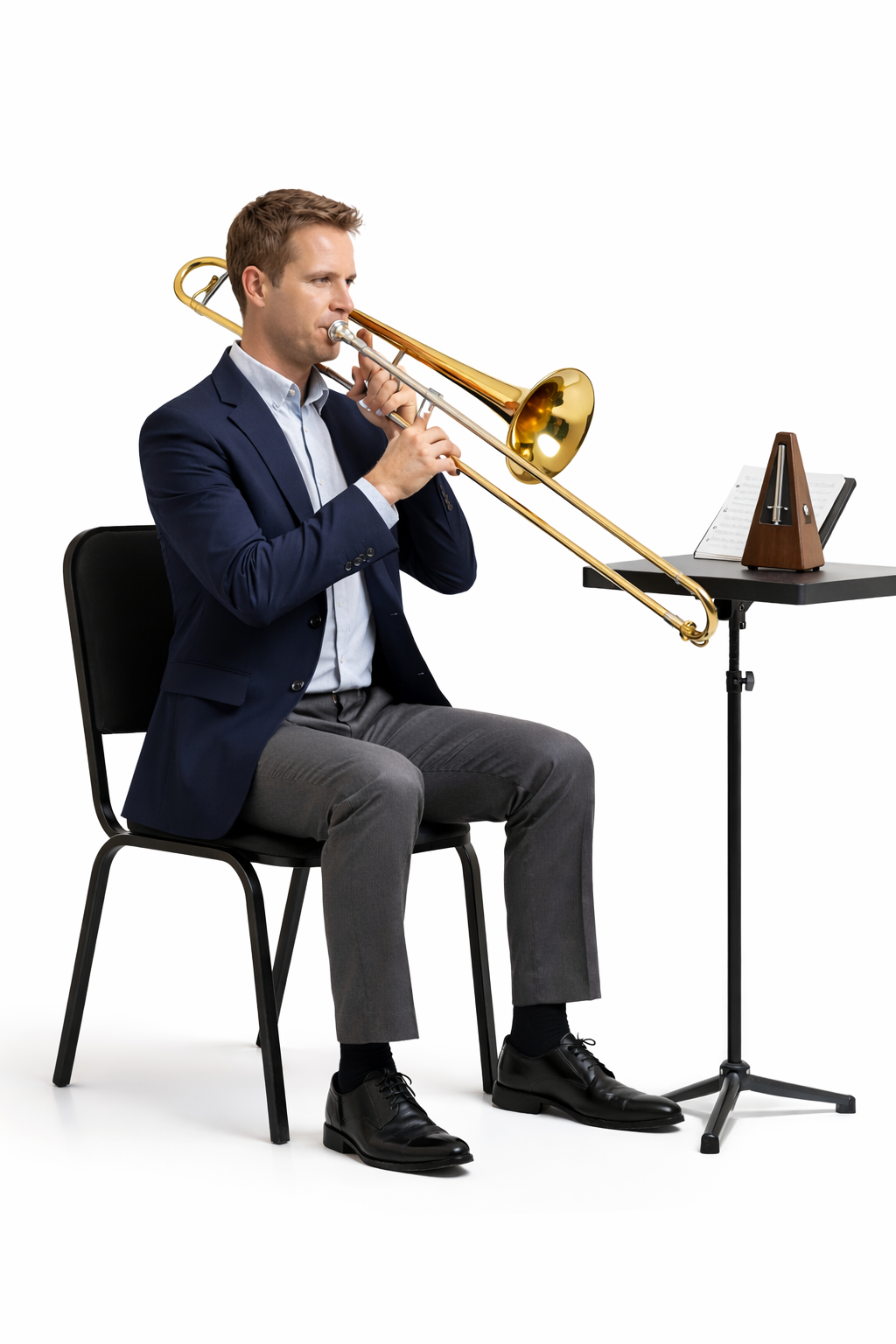
How to Practice With a Metronome (Beginner Method)
Step 1: Clap the Beat
Before playing your instrument:
- Clap with each click
- Count out loud: “1 – 2 – 3 – 4”
This helps your brain lock into the beat.
Step 2: Play Long Notes
- Play one whole note and listen to 4 clicks
- Focus on steady sound and timing
- Repeat the whole note
- Don’t rush to the next note
Step 3: Play Simple Patterns
- Practice playing a series of quarter notes (16 or four measures) with metronome
- Easy exercises
- Short melodies
👉 If you make mistakes, slow the tempo down — never speed it up.
Practicing Music With a Metronome
When practicing an exercise:
- Find the tempo marking
- Set the metronome slower than performance speed
- Listen to the metronome first
- Play small sections (2–4 measures)
- Repeat and go further
- Increase the tempo only when you can play it cleanly
This is called slow practice, and it’s how professionals learn music.
A Simple Tempo-Building Trick
Try this:
- Start at 70 BPM
- Play the passage perfectly
- Increase by 5 BPM
- Repeat until it feels hard
- Go back down and finish strong
This builds speed without losing control.
Common Mistakes to Avoid
- ❌ Starting too fast
- ❌ Ignoring wrong notes and rhythm
- ❌ Turning the metronome off too soon
- ❌ Letting the metronome “drag you along”
✅ Instead, listen, adjust, and stay relaxed.
How Often Should You Use a Metronome?
For young musicians:
- Use it every day, even for 5–10 minutes
- Especially for:
- Scales
- Rhythm practice
- New music
You don’t need it the entire practice session — just enough to train your timing.
Why Using a Metronome Makes You a Better Musician
Using a metronome is all about improving your Music Listening Skills
Always remember that “We Hear With Our Ears and Listen With Our Brain”.
By learning how to use a metronome will help you:
- Build your listening skills
- Play in time with others
- Sound more confident
- Learn music faster
- Build strong rhythm skills
This tool doesn’t replace musical feeling — it teaches you control, so your music can be expressive and accurate.
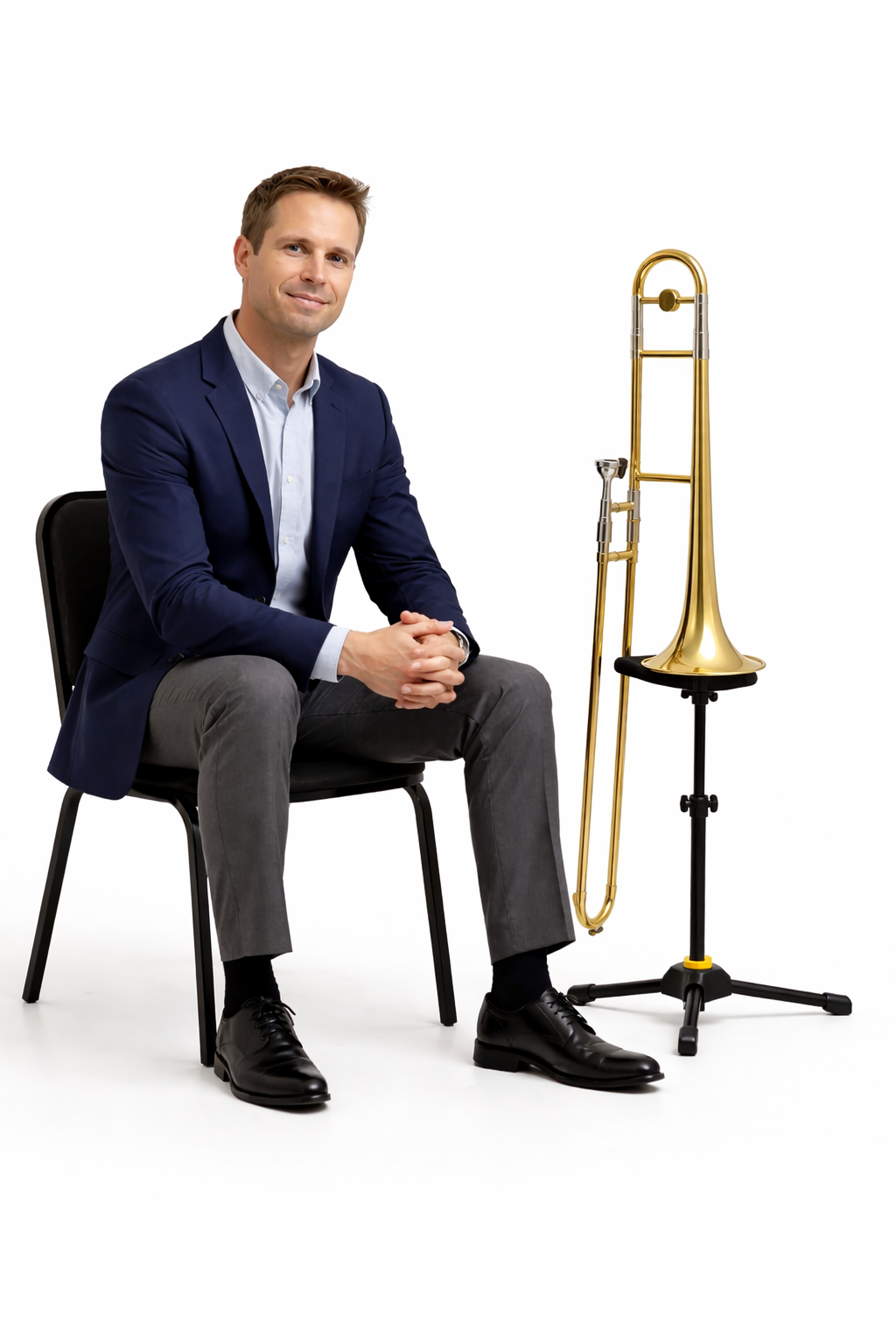
Ready to Take Your Trombone Playing to the Next Level?
Whether you’re a complete beginner or looking to refine your skills, personalized guidance can make all the difference. Private lessons with The Trombone Mentor give you step-by-step instruction, customized practice plans, and expert feedback designed to help you improve faster and play with confidence.
Start making real progress today — schedule your private lesson and discover how enjoyable learning trombone can be with the right support. CONTACT me for more details.
Final Thoughts
What a great tool the metronome is — it’s your coach. Start slow, stay patient, and use it often. Over time, you’ll notice that your rhythm improves, your confidence grows, and your music feels more solid.
Every great musician learned this skill — and now you are too.
Related Material
How to Practice Trombone Effectively
Major Scales for Trombone: A Complete Practice Guide
The Best Warm-Up Routine for Trombone Players
Trombone Practice Mutes: A Complete Guide