

Many musicians are told to “listen more.” However, very few are taught what listening actually means or how to develop it. As a result, listening often becomes a vague instruction instead of a practical skill. In reality, listening skills for musicians require clarity and intention. The central idea is simple: We hear with our ears, but we listen with our brain. Hearing happens automatically. Listening does not. For musicians, this distinction is critical.
In this article, you will learn what listening skills for musicians really are, why they matter, and how to begin developing them in a clear and structured way.
Let’s get started!
Disclaimer
This article contains Amazon Affiliate Links. What this means, is that, at no cost to you, if you click a link and follow through with a purchase, this site may earn a small commission.
Hearing vs Listening in Music
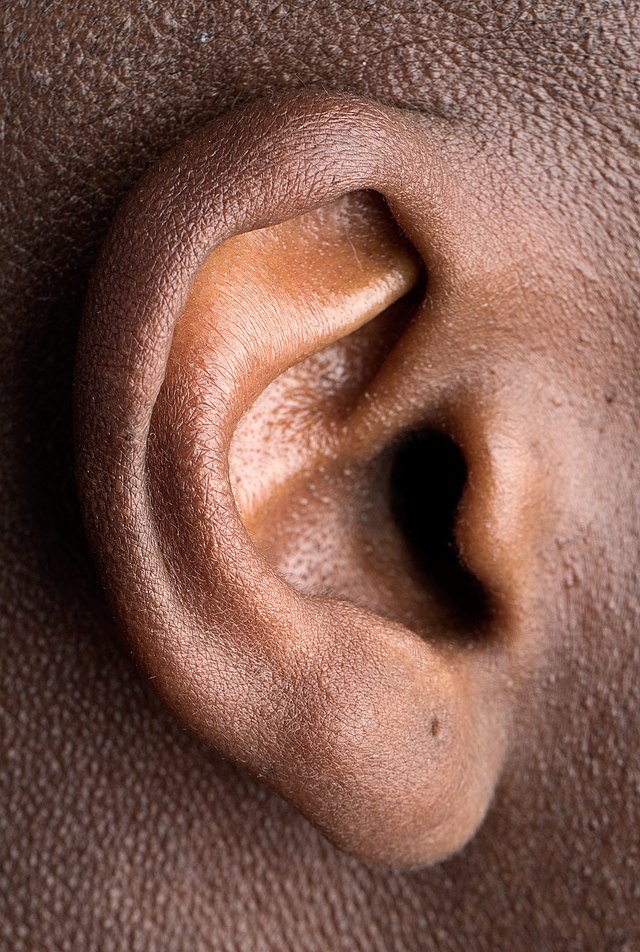
To understand listening skills for musicians, we must first separate hearing from listening.
Hearing Is a Physical Process
Hearing is a physical and sensory function. Sound waves enter the ear, vibrations are processed, and signals are sent to the brain. This process happens automatically.
For example, you hear:
-
Background noise
-
Other musicians
-
Your own instrument
Hearing requires no intention. It happens whether or not you are focused.

Listening Is a Mental Skill
Listening, by contrast, is a mental process. It requires attention, awareness, and decision-making.
When musicians listen, the brain:
-
Chooses what to focus on
-
Organizes sound into musical meaning
-
Evaluates the basic elements of music (Rhythm, Melody, Harmony, Form, Timbre)
-
Responds musically in real time
Listening skills for musicians must be trained. They do not develop automatically.
Why This Distinction Matters for Musicians
Many musical problems are not technical issues. Instead, they are listening problems. Engage the brain, and we are now listening. Does that make sense?
For example, a musician may:
-
Hear pitch but miss intonation issues
-
Be able to hear rhythm but lack playing in time
-
Hear an ensemble but ignore balance
These problems occur because the ears work, but the brain is not fully listening.
What Are Listening Skills for Musicians?
Listening skills for musicians refer to the ability to mentally process, understand, and respond to sound in a musical setting.
These skills include:
-
Awareness of the elements of music
-
Understanding musical structure and style
-
Monitoring one’s own sound while playing
-
Responding to other musicians
In short, listening skills connect what you hear to what you do musically.
- Without listening skills, sound remains information.
- With listening skills, sound becomes music.
Why Listening Skills Are Essential for Musicians
Listening skills affect every area of musicianship.
Tone and Sound Concept
The first requisite for any musician is tone. This is the element that a musician is identified by. Your trombone, clarinet, or what ever your instrument, is the amplifier of the sound that you produce. Only you can produce a good tone on your instrument. One of the most famous trombone players was Urbie Green: The Silken Sound . His tone was amazing! Musicians must listen critically to their own sound and compare it to their ideal model. Without listening, tone becomes accidental rather than intentional.
Intonation and Pitch Awareness
The main theme of this article is all about developing our listening skills. We now head into a most important area for a musician. I tell all of my students that when you are playing a solo or in a concert band performance, your audience is for the most part not very critical. But, when they hear something that isn’t right ( wrong notes, poor intonation,), they may not be able to tell you exactly what it is, but the will know that it is wrong. Learning how to play in tune depends on constant listening. Musicians must evaluate pitch and make adjustments in real time.
Listening skills help musicians:
-
Recognize pitch tendencies
-
Make immediate corrections
-
Stay centered in an ensemble
Rhythm, Time, and Feel
Strong rhythm comes from listening, not just counting. Musicians must listen to:
-
Pulse
-
Subdivision
-
Ensemble alignment
As a result, time becomes stable and flexible.
Musical Expression and Style
Dynamics, articulation, and phrasing all depend on listening. Musical expression comes from interpreting sound, not merely producing it.
Common Listening Problems Musicians Experience
Many musicians struggle with listening skills without realizing it. Think about how physical music is for a trombone player—reading notes, moving the slide, blowing air. It’s easy to focus more on doing than on hearing. But me must do both. Below are some of the most common listening problems musicians face.
1. Listening with the Eyes Instead of the Brain
Many players rely too heavily on sheet music, fingerings, or slide positions and stop actively listening. When this happens, intonation, tone, and balance can suffer—even if the notes are “correct” on the page.
2. Poor Pitch Awareness
Some musicians don’t recognize when they are slightly sharp or flat, especially on instruments without fixed pitch (trombone, voice, strings). They may play out of tune but not perceive the problem until a tuner or teacher points it out.
3. Not Adjusting to the Ensemble
Playing with others requires constant listening. A common issue is focusing only on one’s own part instead of how it fits into the group. This can lead to balance problems, missed entrances, or poor blend.
4. Confusing Muscle Memory with Sound
Players often trust their muscle memory—“this position should be right”—instead of adjusting by ear. This is especially noticeable when key changes, modulations, or unfamiliar harmonic shifts occur.
5. Difficulty Hearing Rhythm and Time
Some musicians struggle to internally feel steady pulse or subdivide rhythms. They may rush, drag, or rely too much on a metronome without truly listening to time.
6. Ignoring Tone Quality
Tone can become an afterthought when focusing on range, speed, or accuracy. Musicians may not notice unfocused tone, harsh attacks, or lack of resonance unless they actively listen to their sound.
Two Essential Tools to Help Improve Listening Skills for Musicians
As a trombonist and conductor, I learned early on that playing with a good tone was at the top of my list of things to develop. Second, was that I must play in tune 100% of the time. Third, I must make sure that my playing was “in time all the time”. Having said this, there are two essential tools that will improve these three items and do it through listening.
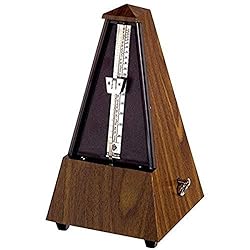
1. A Metronome – this device placed on a table or desk next to you while you practice will help you play in time all the time. There are several tempo settings on a metronome. This image shows a standard machine that requires no electricity or batteries. Just wind it up and release the pin. The other type metronome, is a digital or portable metronome that does the same job but can be put in your case.
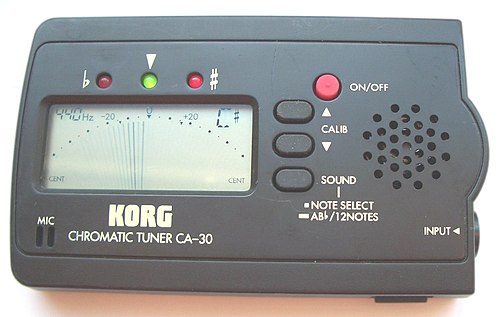
2. Digital Tuner – a portable device that helps train your ears to play in tune not just on Tuesdays, but every time you play. This particular brand and model I have been using for years. The bonus here is that it is both a digital tuner and metronome. I don’t leave home without it.
Types of Listening Skills Musicians Must Develop
Listening skills for musicians fall into several categories.
Active Listening
Active listening requires focus and intention. Musicians choose what to listen for and stay mentally engaged.
Critical Listening
Critical listening helps musicians analyze the elements of music. (rhythm, melody,harmony, form, timbre). Importantly, it supports understanding without removing musicality.
Ensemble Listening
Ensemble listening expands awareness beyond the individual. It allows musicians to adjust balance, intonation, and timing.
Self-Listening
Self-listening is the ability to monitor one’s own sound while playing. This skill is essential for consistency.
How Musicians Develop Listening Skills
Listening skills for musicians develop through intentional habits.
Musicians improve listening by:
-
Separating listening from playing
-
Listening to recordings with specific goals
-
Practicing with focused attention
-
Reflecting on what they hear
Short, focused listening sessions work better than long, unfocused ones.

Listening Skills in Practice, Rehearsal, and Performance
Your skills change depending on the situation.
Listening in the Practice Room
Practice allows musicians to isolate listening. Here, awareness develops without pressure.
In Rehearsal
In rehearsal, musicians must listen and adjust in real time while staying aware of the ensemble.
Listening in Performance
During performance, musicians rely on trained listening skills. As a result, they remain present and responsive.
Listening Skills vs Ear Training
Listening skills for musicians are often confused with ear training. However, they are not the same.
-
Ear training develops recognition
-
Listening skills develop awareness and interpretation
-
Ear training supports listening, but listening applies that knowledge musically.
Conclusion
Musicians do not struggle because they cannot hear. They struggle because listening requires intention. When musicians understand that they hear with their ears but listen with their brain, improvement becomes clearer and more achievable.
Listening skills grow through awareness, patience, and consistency. These skills shape tone, intonation, rhythm, and musical expression. Let’s remember that – Musical listening is not a one-time activity. It is a lifelong musical skill.
Can you hear me now?
Related Material
Major Scales for Trombone: A Complete Practice Guide
Bill Watrous: Jazz Trombone Virtuoso and Studio Legend
Trombone Lessons via Zoom: Learn Trombone Online from Home
Rhythmic Dance Study for Trombone: Etude #3