Major Scales for Trombone are one of the most important things you can learn as a young trombone player. Major scales help you build strong technique, improve your tone, and play with better accuracy. They also make it easier to read music, especially when you see accidentals like sharps and flats.
Because major scales follow a special pattern of whole steps and half steps, they teach you how notes are organized on the trombone and how key signatures work in the music you play. In this guide, I will show you what major scales are, how to practice them, and give you helpful tools to becoming a better trombonist.
Let’s get started!
Definition of a Major Scale
A major scale is a sequence of seven notes arranged in a fixed pattern of whole steps and half steps. This pattern creates the scale’s unique tonal center and gives each major scale its recognizable sound.
Why We Need to Learn Major Scales for Trombone
Musicians use many kinds of scales, but major scales come first. They give you the skills you need to understand keys, accidentals, and the notes on your trombone.
Every piece of music has a home base note, called the tonal center. This note tells you what key the music is in. For example, if a song is in Bb major, then Bb is the note that feels the most stable and important.
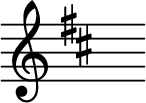
On the page, the key of the music is shown by the key signature—the sharps or flats written right after the clef at the beginning of the staff. The key signature tells you which notes are automatically sharp or flat in that piece. In other words, the key signature is the written “label” that shows you the key.
A scale is simply the set of notes that belong to that key, played in order from low to high and back down again. When you practice a scale, you’re learning the exact notes the key signature represents. This helps you understand how the music is supposed to sound.
Here’s why this matters for trombone players:
- You recognize the key more quickly.
When you see the key signature, you already know which scale it belongs to. - You play more in tune.
Because your ear expects the correct notes based on the scale and tonal center. - You learn new music faster.
Most melodies come from the notes of the scale shown by the key signature. - Your ear gets stronger.
You start to hear how all the notes relate back to the tonal center.
When you understand how these three ideas connect, reading and playing music becomes much easier—and your trombone playing becomes more confident and accurate.
There is no single methodology on how to practice your major scales. The key is to practice them every single day. Make them part of your daily practice routine.
Practice With a Reliable Method Book
As you develop as a trombonist, you will build a good library of method books to practice from. For the beginner, I recommend two methods for trombone:
- Arban Complete Method for Trombone
- Rubank Method for Trombone Volume 1
Slow and Accurate Practice
- Start slowly to focus on correct slide positions, tone, and intonation.
- Accuracy comes before speed.
Gradual Tempo Increases
- Use a metronome to increase tempo step by step.
- Avoid rushing, which can cause sloppy slides and poor tone.
Practice in Different Registers
- Play scales in low, middle, and high registers.
- Practicing across ranges improves flexibility and confidence in all musical contexts.
Practice One Key a Day
- Choose a “key of the day.”
- Play the scale, arpeggio, and a simple warm-up exercise in that key.
Understanding Slide Positions for Major Scales for Trombone
Below are the Major Scales to study and eventually memorize on your trombone. Each scale is written in the key of C in order to emphasize the Flat Keys and the Sharp Keys in each scale. Also, the last scale is C Major Scale which is absent of flats or sharps.
Major Scales for Trombone – Flat Keys
The chart below, name the scale, how many flats, and the notes that are flatted. This is followed by the actual scales in notation. As you learn these scales, make sure to memorize the order of flat key signatures—it will help you recognize them quickly in your music.
| Scale | Number of Flats | Flats in the Key Signature |
|---|---|---|
| F Major | 1 flat | B♭ |
| B♭ Major | 2 flats | B♭, E♭ |
| E♭ Major | 3 flats | B♭, E♭, A♭ |
| A♭ Major | 4 flats | B♭, E♭, A♭, D♭ |
| D♭ Major | 5 flats | B♭, E♭, A♭, D♭, G♭ |
| G♭ Major | 6 flats | B♭, E♭, A♭, D♭, G♭, C♭ |
| C♭ Major | 7 flats | B♭, E♭, A♭, D♭, G♭, C♭, F♭ |
| C Major | 0 flats | (none) |
Major Scakes - Flat Keys
Major Scales for Trombone – Sharp Keys
Below are the major scales that use sharps. As you learn these scales, make sure to memorize the order of the sharp key signatures—this will again help you identify them in your music.
| Scale | Number of Sharps | Sharps in the Key Signature |
|---|---|---|
| G Major | 1 Sharp | F♯ |
| D Major | 2 Sharps | F♯, C♯ |
| A Major | 3 Sharps | F♯, C♯, G♯ |
| E Major | 4 Sharps | F♯, C♯, G♯, D♯ |
| B Major | 5 Sharps | F♯, C♯, G♯, D♯, A♯ |
| F♯ Major | 6 Sharps | F♯, C♯, G♯, D♯, A♯, E♯ |
| C♯ Major | 7 Sharps | F♯, C♯, G♯, D♯, A♯, E♯, B♯ |
| C Major | 0 Sharps | (none) |
Ready to Take Your Trombone Playing to the Next Level?
Whether you’re a complete beginner or looking to refine your skills, personalized guidance can make all the difference. Private lessons with The Trombone Mentor give you step-by-step instruction, customized practice plans, and expert feedback designed to help you improve faster and play with confidence.
Start making real progress today — schedule your private lesson and discover how enjoyable learning trombone can be with the right support. CONTACT me for more details.
Recommended Tools for Practicing Trombone Major Scales
Practicing scales becomes much easier — and more effective — when you use the right tools. These are the same types of accessories I recommend to my students to help improve timing, intonation, and overall technique.
Metronome & Tuner (Most Important Practice Tool)
A combined metronome and tuner helps you develop steady rhythm and accurate slide positions at the same time — which is essential for mastering major scales.
The Korg TM-series is especially popular among band students because it combines both functions in one small device and works well with brass instruments.
Recommended:
👉 Check price on Amazon
Trombone Scale & Method Books
A structured book gives you organized scale exercises in all keys, along with technical studies that reinforce what you’re learning.
The Rubank and Arban methods are considered foundational resources for developing brass technique and covering scales in every key.
Recommended:
The Arban Method is considered the “Trombone Bible” by professional trombonists world wide.
👉 Browse scale books on Amazon
Trombone Slide Lubricant (Often Overlooked)
A smooth slide makes scale practice much easier, especially when moving between positions quickly.
This is one of the most affordable upgrades that can immediately improve playing comfort.
Recommended:
👉 View slide lubricants on Amazon
Practice Mute (Great for Home Practice)
If you need to practice without disturbing others, a practice mute is extremely helpful. Some models also provide resistance that can strengthen air support and endurance.
Recommended:
👉 See practice mute options on Amazon
⭐ Pro Tip for Students
If you only buy one tool to improve your scale practice, start with a tuner/metronome combo. It will have the biggest impact on your progress.
Quick Quiz: Sharps, Flats, and Key Signatures
What did you learn?
Multiple Choice
-
A sharp (♯) raises a note by…
A. One whole step
B. One half step
C. Two half steps -
A flat (♭) lowers a note by…
A. One half step
B. One whole step
C. It stays the same -
Where do you find the key signature?
A. At the end of the music
B. In the middle of the line
C. At the beginning, right after the clef -
Which major scale has B♭ and E♭ in its key signature?
A. C major
B. G major
C. B♭ major
Short Answer
-
What is the name for symbols like sharps and flats?
-
How do key signatures help trombone players?
Final Thoughts
Major scales are the backbone of trombone technique. Practicing them daily, slowly at first and gradually increasing tempo, will improve your tone, intonation, and musical confidence. Combine visual, aural, and hands-on practice to fully internalize each scale. With consistent effort, major scales will enhance your overall trombone playing and prepare you for more advanced musical challenges.
Related Material
Trombone Practice: How to Set Up the Perfect Practice Space
Trombone Practice Mutes: A Complete Guide
Online Trombone Lessons: Learn Anywhere With a Private Trombone Teacher
Tommy Dorsey – The Sentimental Gentleman of Swing
Answer Key
Multiple Choice
-
B. One half step
-
A. One half step
-
C. At the beginning, right after the clef
-
C. B♭ major
Short Answer
-
Accidentals
Sharps (♯) and flats (♭) are called accidentals. -
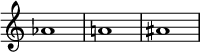
They show which sharps or flats you need to play, helping trombone players choose the correct slide positions, stay in tune, and read music more easily.