
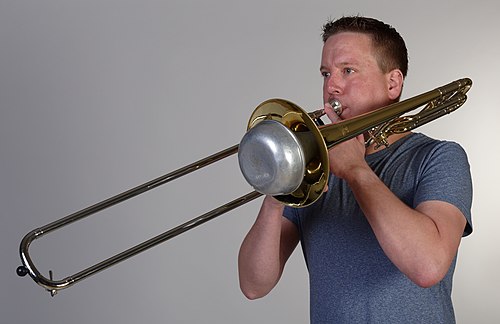
Practicing with a trombone practice mute can be a lifesaver when you need to play quietly. Whether you live in an apartment, practice late at night, or share space with others, a practice mute allows you to keep improving without disturbing anyone. However, if it’s used incorrectly, a practice mute can also create bad habits that affect tone, intonation, and airflow.
This guide explains how to practice with a trombone practice mute correctly, so you get the benefits of quiet practice without sacrificing good technique.
Let’s get started!
Disclaimer
This article contains Amazon Affiliate Links. What this means, is that, at no cost to you, if you click a link and follow through with a purchase, this site may earn a small commission.
What a Trombone Practice Mute Actually Does
Think of your trombone as an amplifier. The sound starts with your air and mouthpiece, and the instrument simply makes that sound louder. The way you use your air determines the volume you hear.
A practice mute dramatically reduces volume by restricting airflow at the bell. This resistance changes how the instrument responds, which can impact:
- Airflow and breath support
- Slotting and pitch center
- Articulation clarity
- Endurance and embouchure feel
Understanding these changes helps you adjust your practice so the mute works with you, not against you.
The Biggest Mistake Trombone Players Make with Practice Mutes
The most common mistake is treating practice-mute playing like normal playing.
Because the mute adds resistance, many players:
- Blow too hard
- Over-tighten the embouchure
- Force the sound to respond
These habits may feel necessary with the mute, but they don’t transfer well to open playing.
How to Practice with a Trombone Practice Mute Safely
1. Use Reduced Air, Not Forced Air
When using a practice mute, think slower air, not more air. Focus on steady airflow rather than power. If the sound feels choked, back off and reset.
Important tip: If your throat tightens, you’re pushing too hard.
2. Limit Practice Mute Time
A practice mute is best used in short, focused sessions.
- 10–15 minutes at a time
- Use it for warm-ups, long tones, and light technical work
- Switch to open playing whenever possible
Avoid doing your entire daily practice with the mute.
3. Focus on Pitch Center, Not Volume
Practice mutes often make notes feel “off-center.” Use this to your advantage by listening carefully for:
- Stable pitch
- Clean attacks
- Smooth slurs
Avoid chasing volume — accuracy matters more.
4. Choose the Right Exercises
Some exercises work better than others with a practice mute.
Best choices:
- Long tones
- Lip slurs (slow and controlled)
- Scale patterns at moderate tempos
- Soft articulation exercises
Avoid:
- Loud dynamics
- Extreme high-range work
- Endurance drills
5. Always Follow with Open Playing
Whenever possible, follow mute practice with a few minutes of open playing. This helps your body recalibrate and prevents resistance-based habits from settling in.
Even 5 minutes without the mute makes a difference.
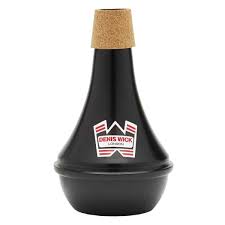
Can a Practice Mute Hurt Your Trombone Playing?
I make this point to all of my students when we talk about getting a practice mute. There are many brands of practice mutes on the market. The wrong mute will definately hurt your playing. These are cheaply made and produced with little regard to quality. There are just a few that I recommend because of their great quality. Below are four trombone practice mutes that I personally have played. My top pick is the Denis Wick brand. Second to that is the Humes & Berg.
Used correctly, a good practice mute will not hurt your playing. Problems only occur when:
- It replaces all open playing
- You over-blow consistently
- You ignore pitch and tone quality
When used as a supplement, not a substitute, a practice mute is a valuable tool.
When a Practice Mute Is Most Useful
Practice mutes are ideal for:
- Apartment living
- Late-night practice
- Travel or hotel practice
- Beginners, Intermediate, Advanced players
They are not ideal for:
- Full daily practice routines
- Tone development sessions
- Performance preparation
Final Thoughts
Learning how to practice with a trombone practice mute correctly allows you to stay consistent without developing bad habits. Keep sessions short, listen carefully, and always reconnect your practice to open playing whenever possible.
Quiet practice should support your progress — not limit it.
Related Material
ONLINE TROMBONE LESSONS – Learn Anywhere with a Private Trombone Teacher
The Best Warm-Up Routine for Trombone Players
Etude #1 for Trombone: Developing a Smooth, Lyrical Playing Style