
Trombone mutes are bell-mounted or hand-held accessories that alter tone, volume, and expression, allowing players to match specific musical styles, ensemble needs, and special effects. They completely reshape the trombone’s voice—brightening it, softening it, or turning it into something that almost sounds like it can speak. One piece of music might demand a sharp, cutting tone, while the next calls for warmth, subtlety, or a playful “wah” effect.
From concert band and orchestra to jazz and big band, trombone mutes allow players to meet the exact sound a composer or arranger has in mind. That’s why most trombonists don’t stop at just one. Each mute creates a different color, and knowing when—and how—to use them is part of becoming a confident, versatile player.
In this guide, you’ll learn what trombone mutes are, how each type works, and which mutes belong in every player’s setup.
Let’s get started!
Disclaimer
This article contains Amazon Affiliate Links. What this means, is that, at no cost to you, if you click a link and follow through with a purchase, this site may earn a small commission.
What Are Trombone Mutes?
A trombone mute fits into the bell of the instrument. It partially blocks the sound waves as they leave the bell. This changes the tone color, volume, and resistance felt by the player.
Composers often write specific mute instructions into the music. Using the correct mute ensures the intended sound and blend within the ensemble.
Types of Trombone Mutes
Straight Trombone Mutes
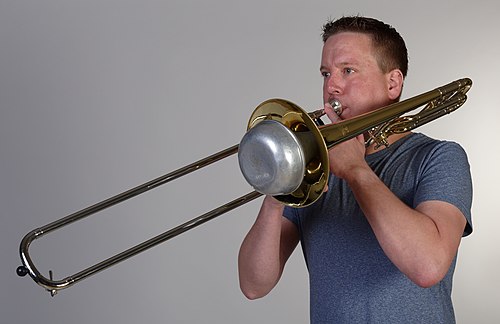
Straight mutes produce a bright, focused sound. They are the most commonly used mutes in band and orchestral music. Players often use straight mutes when the music calls for clarity and projection without excessive volume.
Best uses:
- Concert band
- Orchestra
- Jazz Ensemble
Cup Trombone Mutes
The Cup mute is a straight mute with a cup built into it. The sound they create is a warmer, more covered sound than straight mutes. The cup partially surrounds the bell, softening the tone. Adjustable cup mutes allow players to fine-tune the sound and response.
Best uses:
- Lyrical passages
- Soft ensemble textures
- Band, Orchestra and Jazz music
Plunger Trombone Mutes

The plunger mute gives the trombone a playful, expressive voice. It allows players to shape phrases in ways no other mute can. This makes it a favorite tool in jazz and show-style music.
Plunger mutes create a distinctive “wah” or talking effect. By opening and closing the plunger over the bell, players mimic speech-like sounds. This makes the trombone feel almost vocal.
Most trombone plunger mutes are made from rubber. Traditional players often use a standard rubber sink or toilet plunger with the handle removed. Commercial plunger mutes, such as those made by Humes & Berg, are designed specifically for musical use.
Best uses:
- Jazz solos
- Big band music
- Show-style performances
Harmon (Wah-Wah) Trombone Mutes
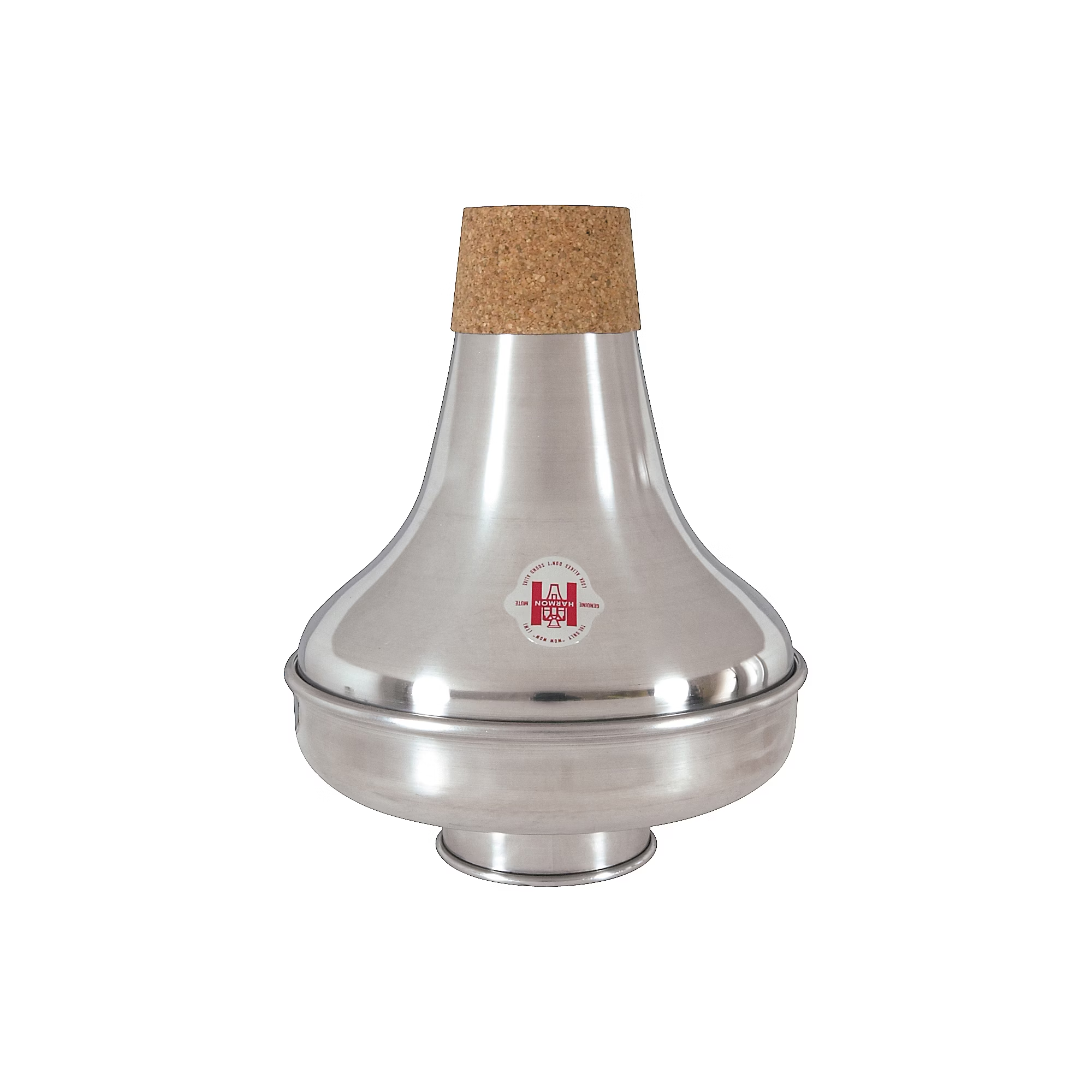
The Harmon mute, often called a wah-wah mute, is a type of trombone mute known for its distinctive, nasal tone and expressive sound. It produces a tone that is immediately recognizable and has been used in jazz, big band, and commercial music for decades. The name “wah-wah” comes from the vocal-like effect achieved when playing with the mute.
A Harmon mute fits into the bell of the trombone like other mutes, but what sets it apart is the removable stem. Players can adjust or remove the stem to alter the sound:
-
Stem in place: Produces a more focused, higher-pitched tone.
-
Stem removed: Creates a more muted, airy sound.
Players often move their hand near the bell while using the harmon mute to modify the tone and create the “wah-wah” effect. This expressiveness makes it a favorite in jazz solos and for special effects in other genres.
Best uses:
- Jazz ensembles
- Solo effects
- Studio and commercial work
Practice Trombone Mutes
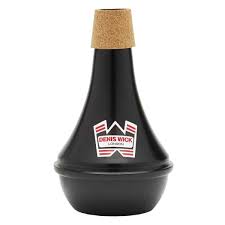
Practice mutes greatly reduce volume. They allow players to practice quietly at home without disturbing others.
These mutes increase resistance, which can affect airflow. Short practice sessions work best when using them.
Best uses:
- Apartments and shared spaces
- Late-night practice
- Warm-ups at low volume
Trombone Mute Brands Reviewed
Denis Wick Trombone Mutes
Denis Wick trombone mutes are known for precision and consistency. Many professional players rely on them for orchestral and band work.
These mutes maintain strong intonation and balanced resistance across registers.
Why players choose Denis Wick:
- Stable pitch
- Focused tone
- Professional-level build quality
Harmon Trombone Mutes
Harmon trombone mutes are famous for their classic wah-wah sound. They remain a standard choice for jazz trombonists.
The distinctive tone cuts through the ensemble while remaining flexible and expressive.
Why players choose Harmon:
- Iconic jazz sound
- Lightweight feel
- Stem-in and stem-out options
Humes & Berg Trombone Mutes
Humes & Berg mutes are widely used in schools and educational programs. Their fiber construction produces a warmer tone than aluminum mutes.
They also make some of the most popular plunger mutes available.
Why players choose Humes & Berg:
- Affordable pricing
- Durable materials
- Warm, blended sound
Tom Crown Trombone Mutes
Tom Crown trombone mutes are hand-spun in the United States. Professionals value them for clarity and consistency.
These mutes respond evenly across dynamic ranges and registers.
Why players choose Tom Crown:
- Hand-crafted quality
- Clear projection
- Minimal intonation adjustment
Trombone Mute Brand Comparison
| Brand | Best Mute Types | Best For | Skill Level |
| Denis Wick | Straight, Cup, Practice | Band & orchestra | Intermediate – Pro |
| Harmon | Wah-Wah | Jazz & effects | Intermediate – Pro |
| Humes & Berg | Straight, Cup, Plunger | Students | Beginner – Pro |
| Tom Crown | Straight, Cup | Pro ensembles | Intermediate – Pro |
👉 Explore top-rated trombone mutes on Amazon to find the right brand for your playing style.
Best Straight Trombone Mutes
| Mute | Material | Tone | Best Use |
|---|---|---|---|
| Denis Wick DW5504 | Aluminum | Bright, focused | Band & orchestra |
| Tom Crown Straight | Hand-spun aluminum | Clear, projecting | Professional ensembles |
| Libretto Straight | Aluminum | Warm, blended | Band & orchestra |
👉 Check current prices and reviews for popular straight trombone mutes on Amazon.
Best Cup Trombone Mutes
| Mute | Cup Type | Tone | Best For |
|---|---|---|---|
| Denis Wick DW5529 | Adjustable | Warm, covered | Concert band |
| Tom Crown Cup | Fixed | Focused warmth | Pro players |
| Humes & Berg Cup | Fixed | Soft, mellow | Students |
👉 See today’s best-selling cup trombone mutes on Amazon.
Best Jazz and Effect Trombone Mutes
| Mute | Type | Sound | Style |
|---|---|---|---|
| Harmon Wah-Wah | Wah-Wah | Nasal, expressive | Jazz |
| Humes & Berg Plunger | Plunger | Vocal “wah” | Jazz & solos |
👉 View classic jazz trombone mutes used by big band players on Amazon.
Best Practice Trombone Mutes
| Mute | Quiet Level | Resistance | Best For |
|---|---|---|---|
| Denis Wick Practice | High | Moderate | Home practice |
| Yamaha Silent Brass | Very high | Adjustable | Apartments |
👉 Compare the best trombone practice mutes for quiet playing on Amazon.
How to Choose the Right Trombone Mute
Choose a mute based on your musical needs. Consider the style of music you play most often.
Check bell size compatibility before buying. Tenor and bass trombones may require different models.
Material also matters. Aluminum mutes project more, while fiber mutes blend more easily.
Do You Need More Than One Mute?
Most players do. One mute rarely covers every musical situation.
Many professionals (including me), carry their mutes in an accessory bag. They have plenty of room and are easy to carry.
A straight mute and a practice mute form a solid starting pair. Jazz players often add a Cup mute or Harmon mute.
Caring for Your Mutes
Store mutes where they will not dent or crack. Keep corks clean and dry.
Inspect corks regularly. Replace them if the mute fits too loosely in the bell.
Ready to Take Your Trombone Playing to the Next Level?
Whether you’re a complete beginner or looking to refine your skills, personalized guidance can make all the difference. Private lessons with The Trombone Mentor give you step-by-step instruction, customized practice plans, and expert feedback designed to help you improve faster and play with confidence.
Start making real progress today — schedule your private lesson and discover how enjoyable learning trombone can be with the right support. CONTACT me for more details.
Final Thoughts
Don’t forget the saying: “It’s Better to Have and Not Need Than to Need and Not Have” I learned this the hard way by showing up to a gig without the right mutes. If you plan on being a good trombonist, start collecting your mutes. With the right combination of mutes, you can handle nearly any musical situation with confidence.
Related Material
Trombone Practice Tools: 10 Tools That Actually Improve Your Playing
Trombone Lip Slurs: The Complete Guide to Better Flexibility
Bill Watrous: Jazz Trombone Virtuoso and Studio Legend
Trombone Mouthpieces Explained: Sizes, Shapes, and How to Choose the Right One