
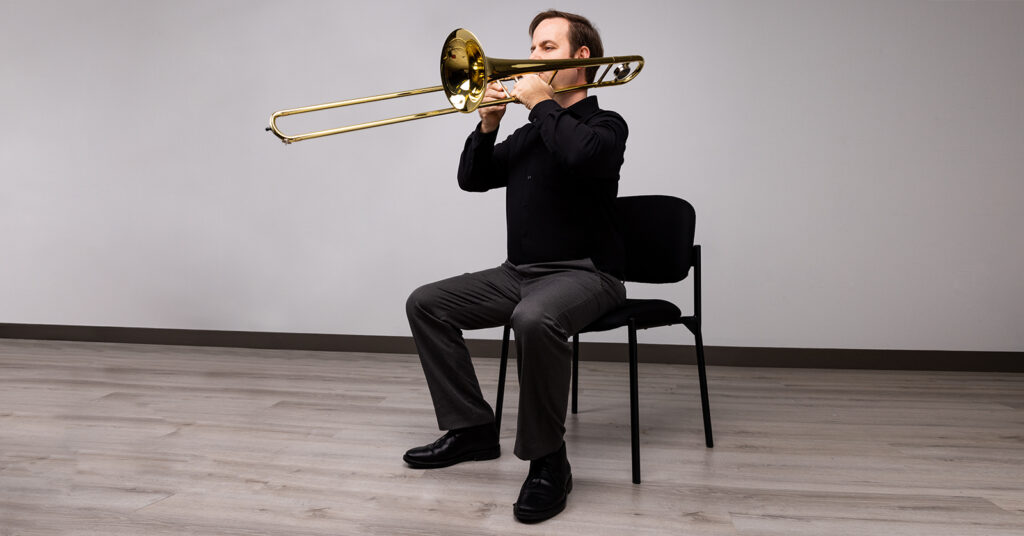
Trombone practice becomes far more effective when you have a comfortable, organized, and distraction-free space designed to support your playing. Whether you’re a beginner learning your first notes or an advancing player working on tone, articulation, or range, the environment you practice in has a major impact on your sound and your overall progress.
As The Trombone Mentor, I work with students of all ages who take online trombone lessons, and one of the first things we focus on is creating the perfect practice space. With a well-planned space, you’ll experience better tone, better focus, and more consistent daily practice—no matter your skill level.
Let’s get started!
Disclaimer
This article contains Amazon Affiliate Links. What this means, is that, at no cost to you, if you click a link and follow through with a purchase, this site may earn a small commission.
Why Your Trombone Practice Space Matters
Your trombone practice environment contributes greatly in developing your skills as a trombonist. A well-designed space supports good habits, encourages more frequent practice, and makes it easier to stay committed.
Benefits of having a dedicated practice area include:
-
Improved tone quality thanks to better acoustics
-
More consistent practice because your instrument and materials are always ready
-
Stronger focus with fewer distractions
-
Better posture and breathing from a space designed for comfort
-
Clearer communication during online trombone lessons
With a thoughtful setup, your trombone practice sessions become more enjoyable and productive.

The Essentials of a Good Trombone Practice Environment
Below are four important essential considerations for setting up your practice environment.
Choose a Quiet, Low-Distraction Area
A quiet environment helps you stay focused and improves the quality of your practice sessions. Pick a space where you can go on a regular basis without interruptions.
Tips:
-
Silence notifications
-
Let others know when you’re practicing
-
Close doors
Make Sure the Lighting Is Bright and Even
Good lighting is essential for reading sheet music, maintaining good posture, and being clearly visible during online lessons.
Lighting tips:
-
Place lights to the side or behind you
-
Avoid harsh lights directly in your eyes
-
Use a desk lamp if necessary
Enough Space for Learning
The area for your trombone practice should be a large enough space to be comfortable and “office like”. This space is the area that you can come to each and every day. Your practice area can be a separate room or an area within a room. How about an attic or the basement? Many find the bedroom a great option.
Things to consider:
- Make sure that you have at least 5–6 feet in front of you. Your trombone slide needs room to extend fully without hitting walls or furniture.
- Have enough room for a chair.
- If you plan on taking online trombone lessons, have your desktop computer or laptop setup in front of you.
- Additional tools necessary for a trombone practice space include: Music Stand, Trombone Stand, Method Books, Mutes
Maintain Good Airflow and a Comfortable Temperature
Breathing is central to all trombone practice, so your practice space should feel comfortable and allow for proper air exchange.
Suggestions:
-
Use light air circulation
-
Avoid practicing under a strong fan
-
Keep the room at 68–74°F
Acoustic Considerations for Better Trombone Practice
Choose a Room That Helps Your Sound
Some rooms naturally support brass instruments. Others hinder your tone.
Good rooms for trombone practice:
-
Rooms with carpeting
-
Spaces with soft furniture
-
Medium-sized rooms with natural resonance
-
Attic area with acoustic tiles
- Basement area
Avoid:
-
Bathrooms
-
Small boxed-in areas
Affordable Acoustic Improvements
You don’t need professional sound-proofing to enhance your practice environment.
Try these budget-friendly fixes:
-
Add an area rug
-
Close curtains or add drapes
-
Use bookshelves as natural diffusers
-
Avoid practicing in corners
These small changes help you hear a more accurate representation of your tone.
Use a Practice Mute
If your biggest challenge is volume, a practice mute is a perfect solution. It will lower your sound dramatically while still allowing meaningful practice. For more detailed information, read Trombone Practice Mutes: A Complete Guide
Recommended mutes:
Tools and Accessories for an Effective Trombone Practice Setup
Music Stand and Chair
These basic tools make your trombone practice smoother and more comfortable.
Guidelines:
-
Music stand should be at eye level
-
Use a firm, armless chair
-
Sit tall with relaxed shoulders
-
Keep the bell slightly forward
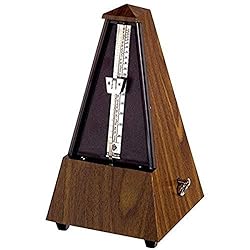
Metronome and Tuner Placement
These tools help you play rhythmically correct and solve intonation problems. Below are four sggested models because of quality, popularity and price. The first two are stricly metronomes as the bottom two are both metronome and tuners. Click on the links for more details.
Popular Brands and Models:
Digital Wind Instrument Tuner Metronome
KLIQ MetroPitch 3-in-1 Metronome Tuner for All Instruments
Keep them within easy reach and at a height that doesn’t disrupt your posture.
Use a Mirror for Posture and Embouchure
One of the simplest but most powerful tools is a mirror. It helps you correct:
-
Embouchure shape
-
Posture and breathing
-
Bell angle
-
Slide technique
Even a small mirror makes a big difference.
Add a Simple Recording Setup
Recording yourself leads to fast improvement. You’ll catch things you never notice in the moment.
You can use:
-
A smartphone
-
A tablet
-
A USB microphone (optional but helpful)
This helps track tone, articulation, accuracy, and your overall progress.

Setting Up for Online Trombone Lessons
If you take virtual lessons, your trombone practice space should support clear communication.
Camera Angle Tips
Place the camera so I can see:
-
Your embouchure
-
Right-hand slide technique
-
Left-hand grip
-
Posture
-
Bell angle
The best angle is typically from chest height, showing your face and upper body.
Microphone Suggestions
While your device’s built-in mic works fine, upgrading improves clarity.
Beginner-friendly USB mics include:
Position the mic slightly to the side to avoid direct air bursts.
How to Make Your Trombone Practice Space Motivating
A motivating environment helps you practice more consistently.
Ideas to inspire daily practice:
-
Keep your trombone ready on a stand
-
Post weekly practice goals
-
Use a practice journal
-
Keep oils, grease, and cleaning tools nearby
-
Add posters or sheet music you enjoy
If your practice space is setup properly and inviting, the more motivated you will be to practice.
Trombone Practice Space Checklist
Environment
- Quiet
- Bright lighting
- Space for full slide extension
- Comfortable temperature
- Good airflow
Acoustics
- Rug or carpet
- Curtains or soft furniture
- Bookshelf or diffuser
- Practice mute available
Tools
- Music stand
- Firm chair
- Mirror
- Tuner
- Metronome
- Recording device
- Slide oil and cleaning supplies
Online Setup
- Laptop computer or desktop
- Proper camera angle
- Clear view of embouchure and slide
- Good lighting
- Optional USB microphone
- Zoom
Ready to Take Your Trombone Playing to the Next Level?
Whether you’re a complete beginner or looking to refine your skills, personalized guidance can make all the difference. Private lessons with The Trombone Mentor give you step-by-step instruction, customized practice plans, and expert feedback designed to help you improve faster and play with confidence.
👉 Start making real progress today — schedule your private lesson and discover how enjoyable learning trombone can be with the right support. CONTACT me for more details.
Final Thoughts
A well-designed practice space makes trombone practice more effective, more comfortable, and more enjoyable. You don’t need a large room or expensive equipment—just a thoughtful setup that supports your goals. When your practice space works for you, your focus improves, your tone gets better, and you’re more likely to practice consistently.
If you want personalized guidance or help developing a strong daily routine, I’d be happy to work with you through online private trombone lessons designed for players of all ages and levels.
Related Material
How to Play a Trombone: Beginner Step-by-Step Guide