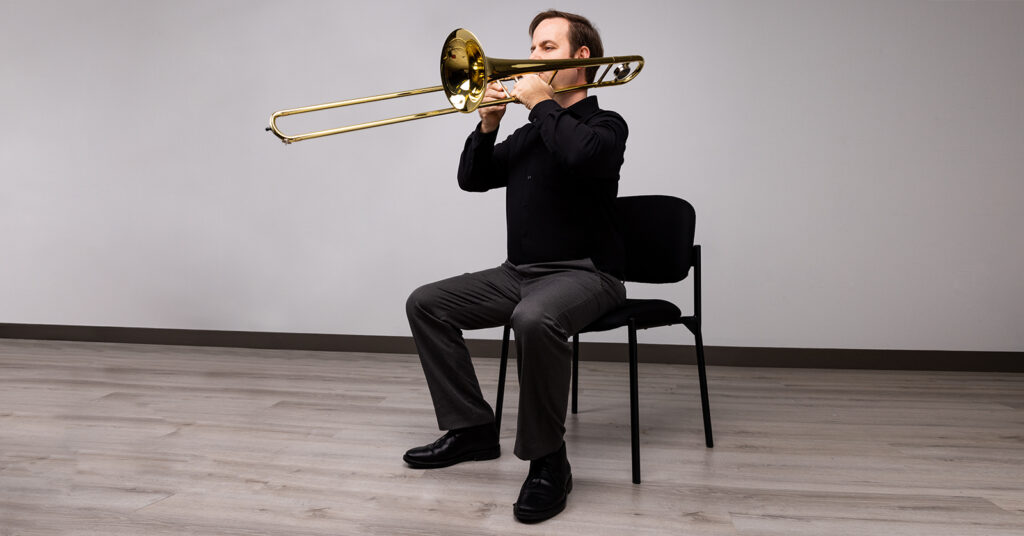
Practicing the trombone isn’t just about putting in more hours—it’s about practicing smarter. Many players spend years repeating the same routines without seeing real improvement, often because they’re missing the right tools to guide their practice. The good news? You don’t need a room full of gadgets. A small set of proven trombone practice tools can dramatically improve your tone, rhythm, intonation, articulation, and overall musical confidence—if you use them correctly.
This guide breaks down the essential practice tools that actually work, explains why they matter, and shows you how to use them effectively, whether you’re a beginner, returning player, or advancing trombonist.
Disclaimer
This article contains Amazon Affiliate Links. What this means, is that, at no cost to you, if you click a link and follow through with a purchase, this site may earn a small commission.
Why Practice Tools Matter for Trombone Players
The trombone is a unique instrument. You don’t have keys or valves locking you into pitch. Therefore, you are the tuning system. How is your rhythm accuracy, or do you need help? This instrument relies entirely on your body—your air, embouchure, slide accuracy to create music.
Trombone practice tools matter because they give you immediate feedback and guidance that your ears or instincts alone might miss. They help you identify problems, develop consistency, and practice with purpose instead of guesswork. The right tools make your practice smarter, more efficient, and far more rewarding. They will accelerate progress while preventing bad habits from taking root.
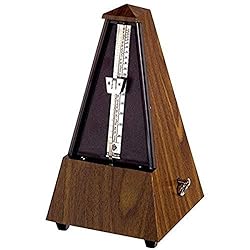
1. A Quality Metronome: The Foundation of Solid Playing
If you only use one practice tool, make it a metronome.
Why It Works
Rhythm is the backbone of all music. From day one with your trombone, you are learning how read and recognize rhythm. As you develop skill levels in key element of music, the more difficult rhythms get.
A metronome:
-
Improves timing and pulse
-
Strengthens subdivision
-
Exposes rushing and dragging
-
Builds confidence in ensemble playing
Many trombonists struggle not because of tone or range—but because their time isn’t consistent.
How to Use It Effectively
How to Use a Metronome (A Beginner’s Step-by-Step Guide)
-
Start slower than you think you need
-
Practice scales, etudes, and lip slurs at multiple tempos
-
Use subdivision clicks (quarters → eighths → triplets)
-
Occasionally mute the click for a measure and rejoin it
2. Digital Tuner: Your Intonation Reality Check
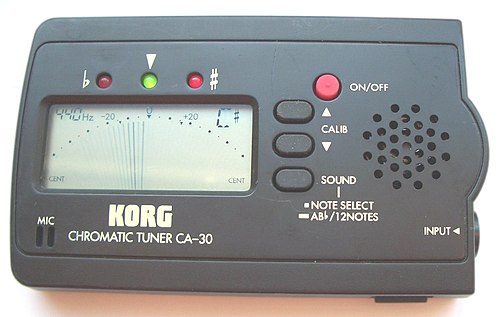
As a trombonist, you may have the most beautiful tone, but you play out of tune. Tuning is a skill that we need to improve on daily. Always remember – “We Hear With Our Ears, and We Listen With Our Brain.” A digital tuner isn’t optional for trombone players—it’s essential.
How to Use a Digital Tuner for Trombone (Step-by-Step Beginner Tutorial)
Why It Works
Because slide positions change with:
-
Air speed
-
Dynamics
-
Register
-
Embouchure
A tuner gives instant, objective feedback that your ears and brain may miss.
Smart Ways to Use a Tuner
-
Warm up with long tones while watching pitch stability
-
Practice scales slowly and center each note
-
Check pitch at different dynamics
-
Use drones or sustained reference tones when possible
⚠️ Tip: Don’t stare at the tuner. Look, adjust, then listen.
3. Practice Mutes: Practice Anywhere, Anytime
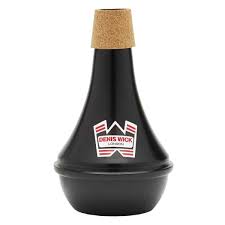
A practice mute is a device that trombonists insert into the bell of their instrument to significantly reduce the volume while still allowing the instrument to resonate. Unlike performance mutes (Straight, Cup, Harmon, Plunger), which are designed to alter the tone color for a musical effect in a concert or jazz setting, practice mutes focus on reducing the volume level without drastically changing intonation or resistance.
They are ideal for home practice, apartment living, or late-night sessions, letting players work on long tones, scales, and technical exercises without disturbing others. Beyond noise reduction, practice mutes often provide a slight resistance to airflow, which can help strengthen breath support, improve tone focus, and enhance control—making them an essential tool for serious trombone practice.
Why They Work
-
Allow quiet practice at home or away without bothering others
-
Increase resistance, strengthening airflow
-
Encourage centered tone production
-
Improve breath control
Best Practices
-
Use short sessions (10–20 minutes)
-
Alternate between muted and open playing
-
Avoid forcing sound—let the air do the work
A practice mute should be a supplement, not replace open playing.
My Favorite Practice Mutes
4. Recording Device: The Most Honest Teacher
Recording yourself during practice sessions is one of the smartest, simple, yet powerful tools a trombone player can use. What feels or sounds correct while playing often sounds very different on playback, and recording gives you an honest, objective perspective on your tone, timing, articulation, and intonation. Listening back allows you to pinpoint problem areas you might not notice in real time, track progress over weeks and months, and celebrate improvements that might otherwise go unnoticed. Beyond identifying weaknesses, recording also helps you develop a musician’s ear, refine phrasing, and internalize the sound you want to produce—turning every practice session into an opportunity for both self-correction and growth. Nothing reveals the truth like a recording.
Why It Works
When you record yourself, you hear:
-
Tone inconsistencies
-
Attacks and releases
-
Rhythm issues
-
Articulation clarity
-
Musical phrasing
What feels good while playing doesn’t always sound good.
How to Use Recording in Practice
-
Record short sections (8–16 measures)
-
Listen immediately, then re-record
-
Compare takes over time
-
Record etudes, scales, and excerpts—not just solos
Your smartphone is more than enough to start with.
5. Breathing Tools: Building the Engine
Everything on the trombone begins with air. Tone quality, range, endurance, articulation, and even intonation are all powered by how efficiently you move air through the trombone, not just in the instrument. When air support is weak or inconsistent, players often compensate with tension in the face, throat, or embouchure—leading to fatigue and stalled progress. Think of air as the fuel for your playing. You must focus away from forcing the sound and toward allowing the trombone to resonate freely. This is exactly where breathing tools become valuable. These tools don’t replace good technique, but they do help you develop the full capacity, control, and awareness needed to play long passages with the best tone from the first note to the last.
Air is everything on the trombone. Insufficient air = poor tone, range, and endurance.
Breathing Trainer & Lung Trainer
Why Breathing Tools Help
They:
-
Strengthen inhalation muscles
-
Improve breath efficiency
-
Encourage relaxed, full breaths
-
Support longer phrases
Popular tools include breathing bags, resistance trainers, and visual airflow devices.
Simple Integration
-
2–5 minutes at the start of practice
-
Focus on relaxed, silent inhalation
-
Transfer the feeling directly to the horn
6. Mirror: A Surprisingly Powerful Tool
This one is often overlooked—but it’s free and effective.
Why It Works
A mirror helps you monitor:
-
Embouchure stability
-
Jaw movement
-
Posture
-
Tension in face and neck
Visual feedback can prevent bad habits from becoming permanent.
How to Use It
-
Long tones and articulation exercises
- Check your slide motion
-
Watch for unnecessary movement
-
Check posture while seated and standing
7. Method Books and Assorted Materials
Method books and assorted practice materials provide something every trombone player needs: direction. Instead of guessing what to practice next, these resources offer a structured path that systematically develops tone, slide technique, articulation, range, and musical style. Well-designed method books are written by experienced players and teachers who understand the natural progression of technical skills, helping you build strong fundamentals while avoiding gaps that can slow long-term improvement.
Assorted materials—such as etude collections, scale books, duets, technical studies, and style-specific exercises—add variety and depth to your practice. They allow you to reinforce the same skills in different musical contexts, preventing boredom while strengthening versatility. Working from multiple sources also encourages musical problem-solving, adaptability, and stronger reading skills. When used alongside tools like a metronome, tuner, and recording device, method books and assorted materials transform practice from repetitive routine into intentional, goal-driven development that directly improves your playing. Random playing leads to random results
Suggested Method Books and Assorted Materials
- Arban Method for Trombone – The Trombone Bible
8. Practice Journal or Tracker
Progress feels slow when you don’t measure it.
Why It Works
A simple practice log helps you:
-
Set clear goals
-
Track tempos and improvements
-
Identify recurring issues
-
Stay motivated
What to Track
-
Date and time practiced
-
Focus areas
-
Metronome markings
-
Notes on challenges and wins
Even a notebook or notes app works perfectly.
9. Listening Library: Training Your Ear Like a Pro
One of the most powerful—and most neglected—trombone practice tools isn’t something you blow into at all. It’s listening. If I leave you with one important message, it’s this. “We Hear With Our Ears, and We Listen With Our Brain.” Listening is a skill that we constantly need to develop as a trombonist. Without good listening skills, you will find it hard to be a good musician. Be a sponge and soak up all the listening you can.
One of the greatest trombonist of all time – Bill Watrous said: “I listened to Tommy Dorsey, Urbie Green, Jack Teagarden etc… that’s how I developed my tone/sound, style, and technique.” Don’t just listen to trombonists, listen to everything. Symphonies, String Quartets, Rock-n-Roll.
A Listening Library is a curated collection of recordings that helps you develop sound concept, style awareness, phrasing, and musical instincts. Great trombone playing starts in the ears long before it reaches the slide.
Why a Listening Library Works
You can’t play what you can’t hear.
A listening library helps you:
-
Develop a clear mental model of great trombone tone
-
Learn musical style across genres and eras
-
Improve phrasing, articulation, and note length
-
Strengthen intonation and pitch awareness
-
Make better musical choices instinctively
When you listen regularly, your brain begins to guide your playing automatically—often faster than verbal instruction ever could.
What to Include in a Trombone Listening Library
Your library should grow over time, but start with variety and quality.
Core categories to include:
-
Solo trombone recordings (classical and jazz)
-
Orchestral excerpts featuring trombone
-
Wind band and brass ensemble recordings
-
Jazz big band and combo recordings
-
Vocalists and non-trombone instruments (for phrasing and musicality)
Listening beyond trombone prevents imitation from becoming imitation only—you learn how music actually breathes.
How to Use Listening as a Practice Tool
Passive listening is enjoyable.
Active listening is transformational.
Try this approach:
-
Listen with the score or part when possible
-
Focus on one element at a time (tone, articulation, phrasing)
-
Sing or buzz along with short passages
-
Mentally note slide positions and air changes
-
Ask: “What would I change in my own playing after hearing this?”
Even 5–10 minutes of focused listening can reshape how you practice on the trombone.
Listening Away from the Trombone Still Counts
Listening isn’t a replacement for playing—but it supports everything you play.
You can build your listening library:
-
While driving
-
During walks
-
While following along with sheet music
-
As part of your warm-up or cool-down routine
Many professional musicians credit listening as the most important part of their development—and it’s completely free.
Pairing Listening with Other Practice Tools
A listening library becomes even more powerful when combined with:
-
Recording yourself and comparing sound concepts
-
Metronome work to internalize professional time feel
-
Etudes that reflect the styles you’re listening to
The clearer your sound concept, the more effective every other practice tool becomes.
Final Thought on Listening
Your ears are your most important teachers.
The more intentional your listening, the faster your improvement—and the more musical your trombone playing becomes.
10. Piano or Keyboard (Physical or Digital)
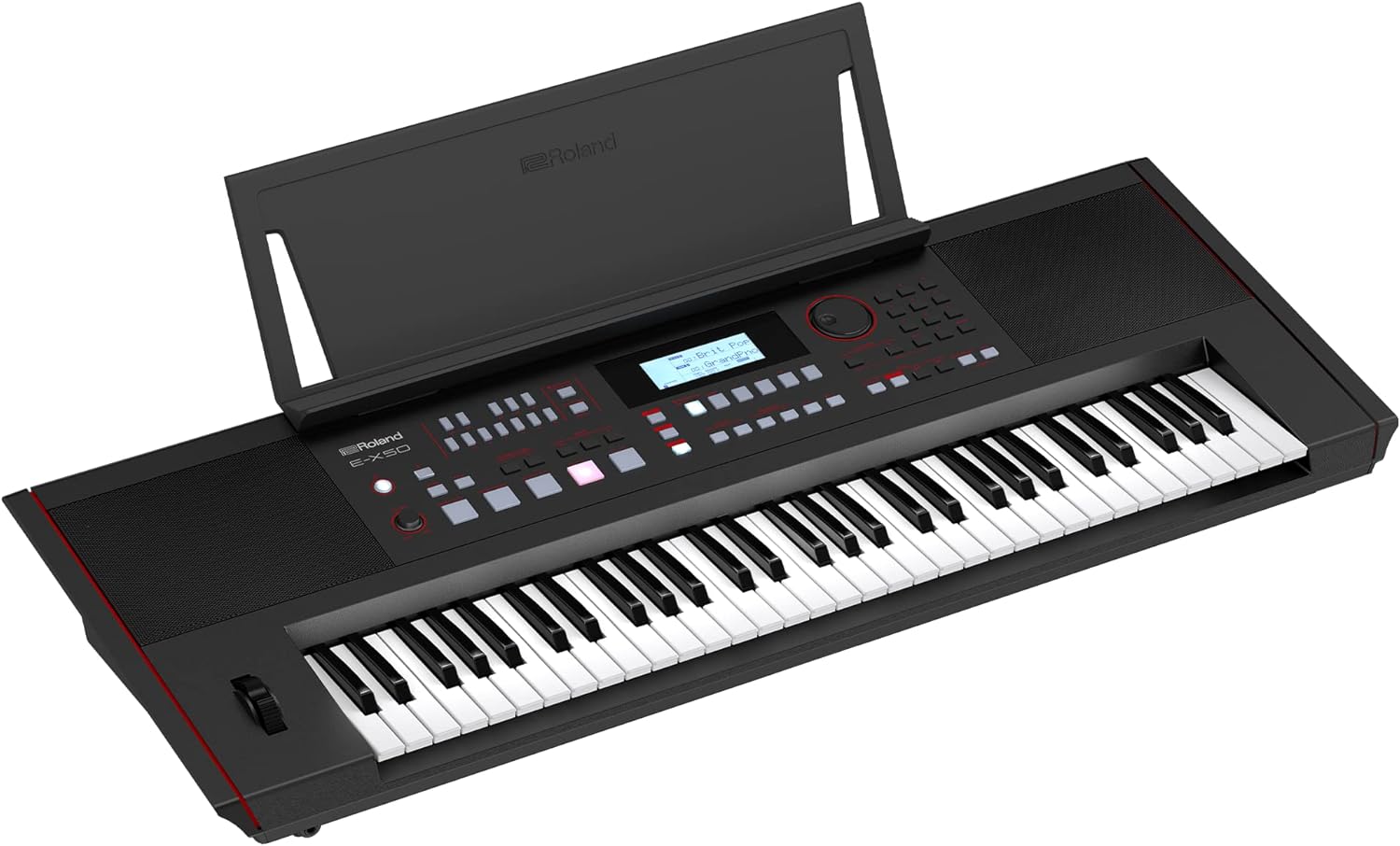
A piano is one of the most underrated practice tools. It is an excellent practice tool for trombone players because it provides a fixed, reliable pitch reference that strengthens intonation, ear training, and musical understanding. Unlike the trombone, where pitch is constantly adjusted with the slide and air, the piano locks each note in place, helping players hear exact intervals, key centers, and harmonic relationships.
Practicing with a piano—whether playing starting pitches, matching intervals, or sustaining notes against chords—improves pitch accuracy and encourages more confident slide placement. Beyond intonation, the piano also deepens musical awareness, making trombone players more sensitive to harmony, phrasing, and ensemble balance, all of which translate directly into stronger, more musical playing.
Use the piano as your new best friend as you will also be opening the wonderful world of music theory. The more you relate your trombone skills to the piano, the faster you will increase your musicianship level
Why it works
-
Provides a fixed pitch reference
-
Improves intonation and harmonic awareness
-
Helps with interval training and key centers
-
Strengthens sight-singing and pitch memory
How to use it
-
Play starting pitches before scales or etudes
-
Check intervals instead of individual notes
-
Play chord tones while sustaining notes on trombone
How to Combine These Tools for Maximum Results
The real power comes from using trombone practice tools together, not in isolation.
Example Smart Practice Flow
-
Breathing tool (2–3 minutes)
-
Long tones with tuner
-
Scales with metronome
-
Etude practice (record short sections)
-
Review recording and adjust
-
End with musical playing
This approach turns practice into a feedback loop, not guesswork.
Common Mistakes to Avoid
-
Using tools passively instead of intentionally
-
Practicing too fast, too soon
-
Ignoring sound while watching screens
-
Overusing practice mutes
-
Never recording yourself
Tools are only effective when paired with active listening and clear goals.
Final Thoughts: Tools Don’t Replace Musicianship—They Support It
Trombone practice tools won’t magically fix your playing—but they will accelerate improvement when used correctly.
The best players don’t just practice more. They practice with feedback, structure, and intention.
Start small. Choose one or two tools. Use them consistently. And let your practice finally work for you instead of against you.
Related Material
The Best Warm-Up Routine for Trombone Players
Trombone Lessons via Zoom: Learn Trombone Online from Home