
To stay motivated practicing the trombone isn’t always easy, especially when progress feels slow or practice starts to feel repetitive. Many trombone players don’t lose motivation because they lack talent—they lose it because practice becomes disconnected from clear goals and noticeable improvement. I know this be true because motivation was a problem with me in my younger years.
If you’ve ever opened your case, played a few notes, and thought, “What’s the point today?” you’re not alone. This happens to beginners, advancing students, and yes, it happened to me several times.
The good news is that motivation isn’t something you either have or don’t have. It’s something you can build, protect, and restart by adjusting how you practice. With the right structure, realistic goals, and supportive habits, practicing the trombone can feel purposeful again instead of frustrating.
In this article, I will show you some practical strategies to stay motivated practicing the trombone—even on days when practicing feels difficult.
Let’s get started!
Why Trombone Motivation Fades Over Time
Motivation usually fades for very predictable reasons:
-
Progress feels slow or invisible
-
Practice sessions feel random or unstructured
-
Goals are vague or unrealistic
-
Practice sounds mechanical instead of musical
-
Students compare themselves to players far ahead of them
When practice stops producing small wins, the brain stops rewarding the effort. That’s when motivation drops.
The solution isn’t practicing longer—it’s practicing smarter.

Motivation Comes From Progress, Not Willpower
A common myth is that motivated players practice more. In reality, players who experience progress become motivated.
When you:
-
Hear improvement
-
Feel more control
-
Play music that sounds better
…your brain naturally wants to come back for more.
So the real question becomes:
How do we design practice so progress is obvious?
Have a Good Plan A—and Follow That With a Good Plan B
One of the simplest ways to stay motivated when practicing the trombone is to never rely on only one plan.
Plan A is your ideal practice session—the one you hope to have when energy and focus are high.
Plan B is your fallback for days when motivation is low, time is short, or concentration just isn’t there.
For example:
-
Plan A: Full warm-up, focused technical work, and a musical etude
-
Plan B: Five minutes of long tones and one short musical passage
Even a shortened session keeps your momentum intact. Practicing something is always better than skipping practice entirely.
Motivation is easier to maintain when you remove the pressure to be perfect.
If staying motivated feels difficult, structured etudes, guided routines, and focused listening can make practice clearer and more enjoyable.
Sometimes, knowing what to practice next is all it takes to get moving again
1. Set Clear, Achievable Trombone Goals
Motivation disappears when goals are unclear.
Instead of saying:
-
“I need to practice more”
-
“I want to sound better”
Try goals like:
-
“Play this etude cleanly at 84 bpm”
-
“Improve articulation clarity in eighth notes”
-
“Hit F above the staff with a centered tone”
Clear goals give practice sessions a finish line, and crossing that line builds momentum.
2. Make Your Progress Audible
One of the fastest ways to stay motivated is to hear yourself improving.
Try this:
-
Record a short passage once a week
-
Listen back without judgment
-
Compare recordings after 2–3 weeks
What feels slow day-to-day often sounds dramatic over time.
Listening is also a powerful motivator. Hearing great trombone playing reminds you why you started in the first place.
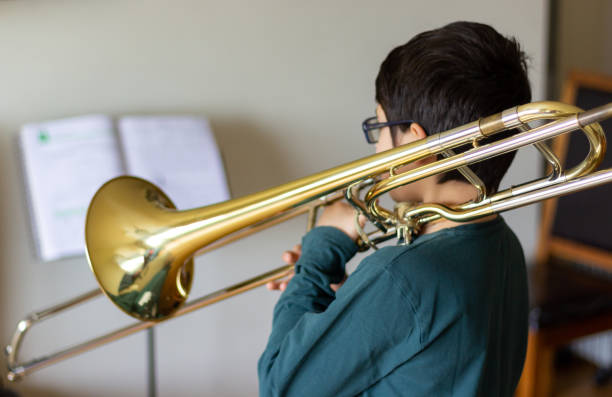
3. Practice Music That Feels Musical
Endless drills kill motivation—especially for beginners and adult learners.
Yes, fundamentals matter. But students stay engaged when practice includes:
-
Etudes with style or groove
-
Musical phrasing challenges
-
Rhythm-based studies
-
Short pieces that sound like real music
When practice feels like music, not chores, consistency follows naturally.
4. Keep Variety Without Losing Focus
Too much routine becomes boring.
Too much variety becomes confusing.
The sweet spot is structured variety.
Examples:
-
Articulation-focused days
-
Rhythm or subdivision focus days
-
Tone and airflow days
-
Short technical focus + musical reward piece
This keeps practice fresh while still building skills.
5. Practice for a Bigger Purpose
Many trombone students—especially adult and returning players—lose motivation when practice feels isolated.
Ask yourself:
-
What kind of player do I want to be?
-
Who do I want to play music with?
-
Where do I want this to lead?
Whether it’s:
-
A community band
-
Church ensemble
-
Jazz group
-
Personal enjoyment and mental focus
Connecting practice to a reason makes it easier to return on tough days.
How Positive Reinforcement From Others Supports Trombone Motivation
Although practicing the trombone is ultimately a personal responsibility, motivation is often influenced by the environment around you. A simple and effective method of how to stay motivated practicing the trombone comes right down to positive reinforcement. Positive reinforcement—especially from parents, family members, or close supporters—can quietly strengthen consistency and confidence.
This doesn’t mean relying on approval to practice. It means recognizing when encouragement helps reinforce good habits. For younger trombone players, parents are often the first audience they ever perform for. For adult and returning players, encouragement may come from a spouse, friend, or teacher. In each case, supportive feedback helps connect practice to a sense of progress and purpose.
Encouragement is most effective when it focuses on effort rather than results. Simple comments like “I can tell you’ve been practicing regularly” or “Your sound is steadier than last week” reinforce consistency without adding pressure.
Support can also take practical forms. Tools such as a metronome, practice mute, or music stand aren’t rewards for perfection—they’re resources that make practice easier and more enjoyable. These tools support both a strong Plan A and a flexible Plan B, helping you stay consistent even on difficult days.
Used this way, positive reinforcement becomes support—not a substitute—for internal motivation.
Motivation Traps to Avoid
These common mistakes quietly drain motivation:
-
Practicing too long and burning out
-
Waiting to “feel motivated” before playing
-
Comparing yourself to advanced or professional players
-
Practicing without a clear plan
-
Ending sessions on frustration instead of success
Motivation thrives on consistency and success, not pressure.
Simple Motivation Systems That Actually Work
You don’t need huge practice sessions to stay motivated.
Try these:
-
The 20-minute rule (short, focused sessions)
-
End every practice with something fun
-
Track practice streaks, not hours
-
Aim for one small win per session
Motivation grows when practice feels manageable and rewarding.
Ready to Take Your Trombone Playing to the Next Level?
Whether you’re a complete beginner or looking to refine your skills, personalized guidance can make all the difference. Private lessons with The Trombone Mentor give you step-by-step instruction, customized practice plans, and expert feedback designed to help you improve faster and play with confidence.
Start making real progress today — schedule your private lesson and discover how enjoyable learning trombone can be with the right support. CONTACT me for more details.
Final Thoughts: Motivation Is Built, Not Found
If you’ve struggled with motivation while practicing the trombone, it doesn’t mean you lack discipline or ability. It usually means your practice system needs adjustment.
When practice:
-
Produces clear progress
-
Sounds musical
-
Feels purposeful
…motivation stops being a problem.
And when motivation returns, consistency follows naturally.
Related Material
How to Practice Trombone Effectively
Bill Watrous: Jazz Trombone Virtuoso and Studio Legend
Essential Trombone Accessories: What Every Trombone Player Needs