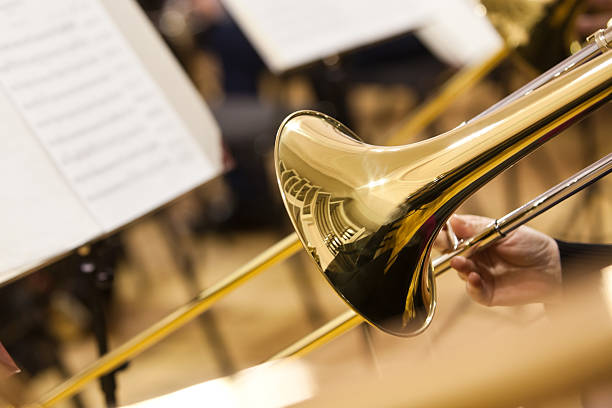
Whether you’re picking up the trombone for the very first time or striving to achieve advanced performance goals, The Trombone Mentor is here to guide you every step of the way. Through personalized lessons tailored to your skill level, style, and pace, you’ll build a stronger tone, sharpen your technique, and gain the confidence to perform with ease – all from the comfort and convenience of your own home.
Hi, I’m Rick Lawrence – a lifelong trombonist and teacher dedicated to helping players of all ages and skill levels reach their full potential. I believe that with the right guidance, consistent practice can become enjoyable and rewarding. My lessons focus on clear technique, confidence building, and the joy of making music.
I focus on understanding your unique needs, creating a clear plan of action, and delivering professional results efficiently. Together, we’ll turn your ideas into effective, high-quality digital solutions.
Beginners
Learn the basics of posture, breathing, and note production without feeling overwhelmed.
Intermediate Players
Refine your tone, articulation, and range while learning challenging new pieces.
Advanced Musicians
Master advanced techniques, endurance, and performance preparation.
Auditioning Practices
Prepare with proven exercises and performance coaching to stand out.
Your Journey in 3 Simple Steps
1. Book Your Lesson Scheduling your session is simple and convenient. Choose a time that works best for you and select your skill level, whether you’re a complete beginner, an intermediate learner, or an advanced musician. Our online booking system makes it easy to see available slots and secure your lesson in just a few clicks.
2. Meet Online Connect with me from the comfort of your home via Zoom. Each session is interactive and personalized, focusing on your specific goals and challenges. I guide you step by step, ensuring that you understand the techniques and concepts clearly, while keeping the lessons engaging and enjoyable.
3. See Weekly Progress After every session, you’ll receive structured feedback, clear goals, and tailored exercises to practice at your own pace. This ongoing support helps you track your improvement, stay motivated, and steadily advance your skills. Whether you’re preparing for a performance, an audition, or simply improving for personal growth, you’ll always know exactly what to focus on next.
Discover how my students have grown, improved, and achieved their musical goals. Each testimonial highlights their unique journey, showing how focused lessons, personalized guidance, and consistent practice make learning both effective and enjoyable.
Alex P.
⭐⭐⭐⭐⭐
Rick’s lessons completely changed the way I practice. I actually look forward to each session, and his step-by-step guidance helped me improve my tone and technique in just a month. I feel more confident than ever
Megan T
⭐⭐⭐⭐⭐
I was really struggling to prepare for an important audition, but Rick’s strategies and personalized coaching gave me the focus and confidence I needed. Thanks to him, I nailed my performance and got accepted!
Samantha
⭐⭐⭐⭐⭐
Rick’s approach is supportive and effective. He doesn’t just teach technique—he explains the ‘why’ behind every exercise. I’ve grown so much and feel ready for more challenging pieces.
Ready to Start Your Trombone Journey?
Whether you’re just starting out or looking to refine advanced techniques, my personalized lessons are designed to help you improve quickly and confidently. With clear guidance, structured practice, and ongoing support, you’ll see real progress while enjoying every step of the journey.
Start improving today – book your first lesson and let’s make music together!